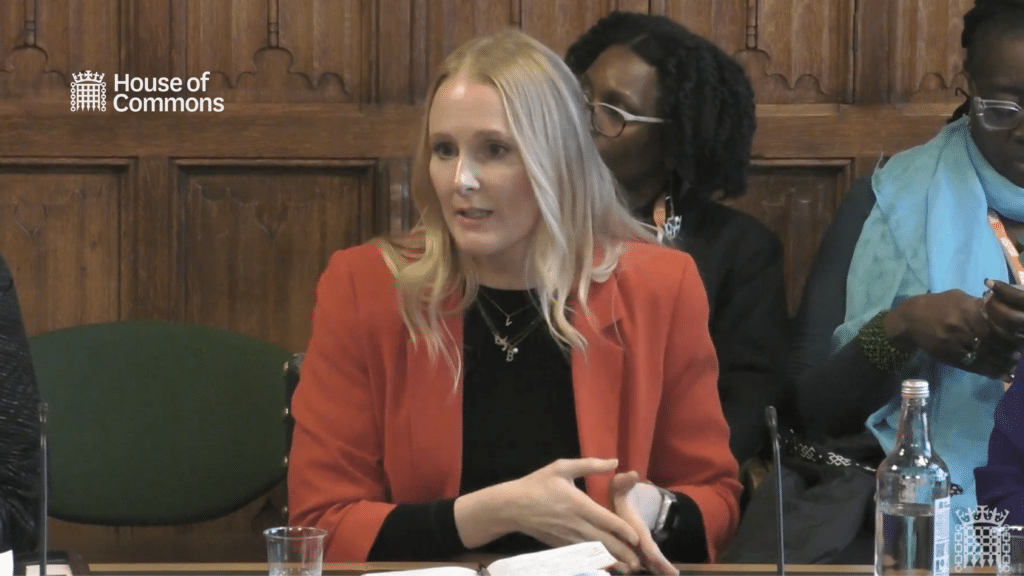
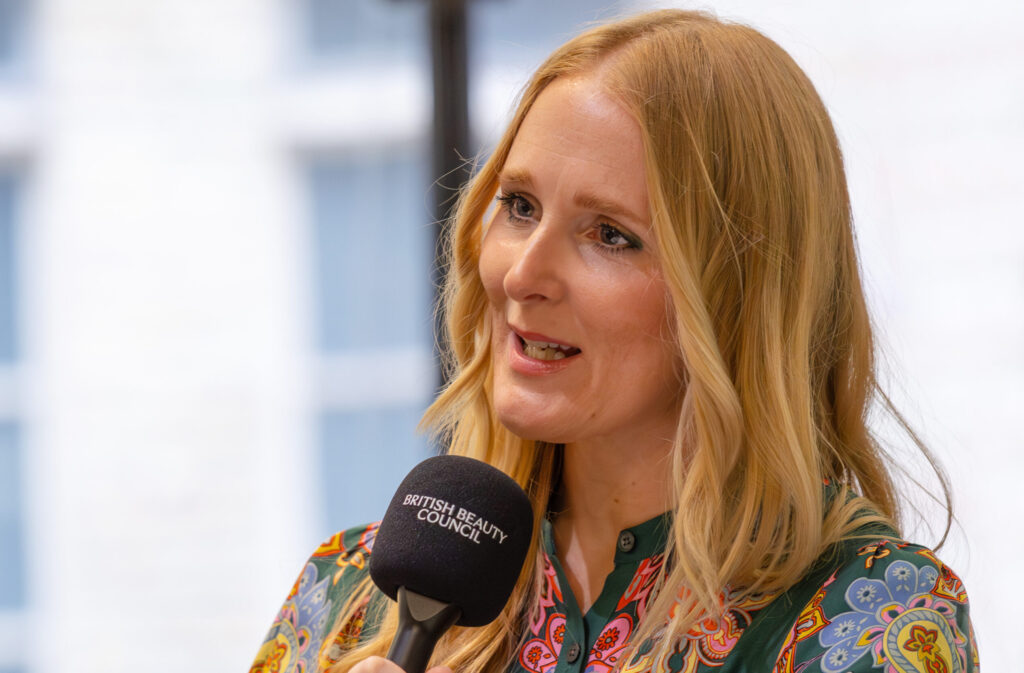
The inquiry, which heard oral evidence from British Beauty Council Chief Policy and Sustainability Officer Victoria Brownlie MBE alongside trading standards leaders, toxicologists, and those with lived experience, exposes regulatory gaps across the UK’s personal care sector.
With 86% of beauty businesses owned by women, approximately 34% of the workforce from a minority ethnic background, and nearly half of industry jobs located in areas of high unemployment, the Committee explicitly noted that political complacency over the sector’s safety has its roots in “sexism and racism.” The report made firm recommendations that over a decade of regulatory delay must end, calling on the Government to act decisively across the entire product and treatment landscape.
Regulation of non-surgical cosmetic procedures
A focal point of the inquiry’s findings was the proliferation of high-risk, high-volume procedures including liquid Brazilian Butt Lifts (BBLs), non-surgical breast augmentations (LBJs), and genital fillers, sometimes administered by unqualified individuals in domestic settings or hotel rooms with devastating consequences, including sepsis, necrosis, and organ failure.
The Committee’s report follows the Department of Health and Social Care (DHSC) recently launched 12-week public consultation on draft regulations (The Health and Social Care Act 2008 (Regulated Activities) (Amendment) (No. 2) Regulations), running through to January 2027. Under the proposed draft regulations:
- Filler procedures injected into any part of the body other than the face will be classified as surgical procedures and restricted strictly to registered medical doctors.
- Providers carrying out these high-risk procedures will be mandated to register with the Care Quality Commission (CQC), confining treatments to regulated clinical premises and introducing criminal penalties for non-compliance.
- Procedures such as deep chemical peels, intravenous cosmetic infusions, and non-resorbable fillers will be restricted to doctors, dentists, and prescribing healthcare professionals.
While the British Beauty Council strongly welcomes this draft secondary legislation, the Committee warns that successive consultations have historically fostered complacency. The Council reinforces the Committee’s call: Ministers must prioritise parliamentary time to convert these draft regulations into statutory law by 2027 without further administrative drift.
Broader findings and recommendations
The Committee’s report sets out far-reaching recommendations spanning invasive treatments, high-street salons, and digital trade:
1. Greater regulation of injectables
Botulinum Toxin remains a prescription-only medicine, yet UK law currently allows anyone to inject it without mandatory training, credentials, or competence assessment. The report calls for mandatory national qualification standards and tighter supervision within the forthcoming local authority licensing framework to protect the public.
2. Action on amber and green treatment licensing
To avoid driving services underground or shutting out dedicated practitioners, the Committee stresses that qualification routes under the amber (medium-risk) and green (low-risk) licensing schemes must be proportionate, competence-based, and reasonably obtainable. The Council reiterates that licensing must replace the confusing local authority postcode lottery with one unified national standard.
3. Standardised education to end inadequate training
Witnesses warned that variable, unregulated short courses often leave practitioners holding certificates that do not equate to genuine qualifications. Standardised education and ongoing competency frameworks must be embedded across all disciplines of the hair, beauty, and aesthetics industry to ensure courses are fit for purpose and provide clear scope of practice.
4. Clearer labelling and vital research for textured hair
Highlighting a serious lack of UK longitudinal research into products used primarily by Black women and girls, the Committee calls on DHSC to commission a publicly funded study examining the potential cumulative, early-age health impacts of exposure to potential endocrine-disrupting chemicals. The report also urges an immediate crackdown on misleading labelling, such as relaxers branded as “no-lye” that contain other caustic hydroxides, as well as clear age restrictions to protect children.
5. Ensuring greater safety on online marketplaces
Online marketplaces continue to host overseas sellers distributing everything from counterfeit skincare to illegal skin-lighteners containing mercury or hydroquinone, and unapproved injectables. The Committee recommends enforcing the powers within the Product Regulation and Metrology Act 2025 within 12 months to make online platforms legally liable for hosting non-compliant goods. This must be paired with urgent action against the dumping of low-value, substandard imports and the closure of bogus UK “Responsible Person” shell addresses.
6. Closing the Salon Self-Import Loophole
While UK cosmetics regulation is among the safest in the world, the report identifies a major loophole: products self-imported directly by salons or practitioners for use on clients currently evade the safety assessment, labelling, and notification requirements binding ordinary retail distributors. The Committee recommends amending UK Cosmetics Regulation within 12 months to ensure that all professional-use products meet full UK safety standards at the point of application.
7. Centralised reporting of adverse reactions and NHS tracking
With only 69 serious adverse cosmetic events reported to the Office for Product Safety and Standards (OPSS) in 2024-25 due to an opaque reporting system, the Committee calls for a single, public-facing portal for consumers and practitioners to log harms. It also recommends creating a cross-regulator taskforce to handle consumer redress, making adequate insurance a mandatory licensing condition to stop rogue businesses dissolving and reopening under new names and integrating dedicated clinical codes into NHS electronic health records to accurately track the financial burden of botched treatments on our health service.
The Road Ahead
The British Beauty Council has long maintained that beauty is an engine of science, innovation, and personal care that deserves modern, agile regulation that professionalises and truly reflects the skills and expertise within the industry.
With the DHSC consultation on high-risk ‘red’ procedures now underway, the foundation for reform is finally taking shape. The Council will actively engage with Government to ensure that the draft regulations are enacted without delay, while continuing to fight for hair equity, higher educational standards, and a proportionate, supportive national licensing regime for amber and green high-street treatments.
Download the full report here.