For decades, the UK’s non-surgical cosmetic sector operated with minimal oversight, leaving both consumers and professional practitioners vulnerable. The tide began to turn in 2013 with the landmark Keogh Report, which famously described dermal fillers as a “crisis waiting to happen.” Since its inception in 2018, the British Beauty Council has been the primary engine for change, working with the Government to ensure that the recommendations of the past become the laws of today.
Through continued advocacy, the Council has moved the industry away from voluntary codes toward a mandatory statutory framework. From protecting under 18s to securing a national licensing scheme, our work continues to ensure that beauty is synonymous with safety.
The Regulation Timeline
The following timeline outlines the key legislative milestones and the British Beauty Council’s involvement in shaping the future of aesthetics.
2013 – The Keogh Report
Sir Bruce Keogh identifies the lack of regulation as a major risk, calling for dermal fillers to be classified as prescription-only.
2018 – Council Foundation
The British Beauty Council is formed and makes aesthetics regulation, practitioner education and consumer safety a core policy issue.
2021 – The “Under 18s” Ban
The Council successfully campaigned for the Botulinum Toxin and Cosmetic Fillers (Children) Act, making it a criminal offence to administer these treatments to under 18s for cosmetic purposes.
2022 – Health & Care Act
We were instrumental in securing a crucial amendment to this Act, giving the Secretary of State the power to implement a national licensing scheme for aesthetics in England.
2023 – Licensing Consultation
The Council fed into and mobilised the industry to respond to the Department of Health & Social Care consultation, ensuring the voice of professional therapists and medical-practitioners was heard in the design of the new license. This secured over 11,800 responses.
2025 – Red Procedure Expert Group
The Council was appointed to the Department of Health & Social Care Expert Working Group, specifically focused on “Red” high-risk procedures like liquid BBLs, ensuring they are restricted to appropriately qualified medical professionals.
2025 – Scotland Leads the Way
Following intense consultation where the Council provided expert evidence, the Scottish Government committed to a two-tier licensing system—the first of its kind in the UK.
2026 – Women & Equalities Committee Support
Women & Equalities Select Committee supported the Council’s calls, following its oral evidence inquiry hearing, to urgently introduce a national licensing scheme in the current Parliament, alongside the immediate restriction and ‘de facto ban’ of BBLs and liquid breast augmentation.
2026 – SIT Committee Joins Pressure Government
The Parliamentary Science, Innovation & Technology Committee heard evidence from the Council and those with lived experience to further support calls for a clear timeline from the UK Government on a licensing scheme and enforcement.
2026 – Scottish Legislation Passes
On 17 March 2026, Scotland officially passed the Non-surgical Procedures (Scotland) Bill, setting the statutory blueprint for the rest of the UK to follow.
The British Beauty Council’s Key Pillars of Advocacy
Public Protection
The Council’s work on the 2021 ban for under-18s was born from the need to address both physical and psychological risks to those under the age of 18. Physically, the ban prevents complications that arise when fillers are injected into still-developing features. Mentally, it provides a buffer against the pressure to look “perfect” prior to adulthood. This law ensures that treatment only occurs once facial structures are stable and the individual can provide truly informed consent. The Council also continues to advocate for stricter advertising standards to ensure aesthetics are marketed responsibly.
The Licensing Scheme
The passing of the Health & Care Act in England was a watershed moment. The British Beauty Council worked alongside the Department of Health & Social Care and other industry bodies to ensure this legislation included a mandate for a licensing scheme. This will eventually require every practitioner to hold a personal license, prove competency through designated training and education pathways, and hold adequate insurance. Also ensuring every premises will meet strict hygiene and safety standards.
Understanding and Defining Risk
Through our work feeding into the UK Government’s 2023 consultation on the ‘traffic light’ system to designate risk, we have helped define a tiered approach to treatment:
- Green: Lower-risk procedures accessible to all qualified practitioners.
- Amber: Medium-risk procedures requiring oversight or specific higher-level qualifications.
- Red: High-risk procedures (such as deep chemical peels or certain fillers) restricted to regulated healthcare professionals in CQC-registered premises.
Our work has since continued as part of the Department of Health & Social Care’s Expert Working Group for Red Procedures, to help determine which procedures should be undertaken solely by appropriately qualified healthcare professionals.
Raising the Reputation of the Industry
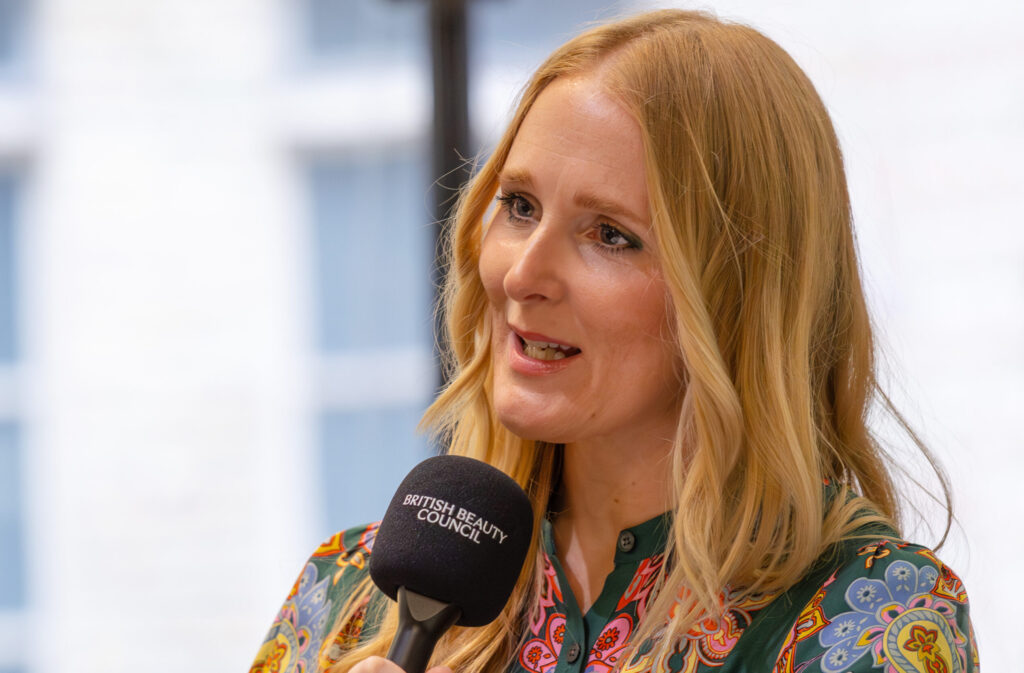
Victoria Brownlie MBE, Chief of Policy & Sustainability: “Regulation is not about restriction; it is about recognition. By setting high standards, we professionalise our industry and ensure every consumer can walk into a clinic with total confidence.”
Scotland has led the way in introducing regulation to professionalise the aesthetics industry. The Council’s submission to the Scottish Government’s calls for evidence, as well as its oral evidence to the Scottish Parliament contributed to the passing of the 2026 Bill. By supporting a transition period and clear supervision requirements, we are ensuring that the move to regulation is fair, transparent, and puts public safety first.
Stay Updated
As the UK moves towards the implementation of a licensing scheme for non-surgical cosmetic procedures, the British Beauty Council will continue to provide guidance and resources for practitioners and the public. See our existing resources here.