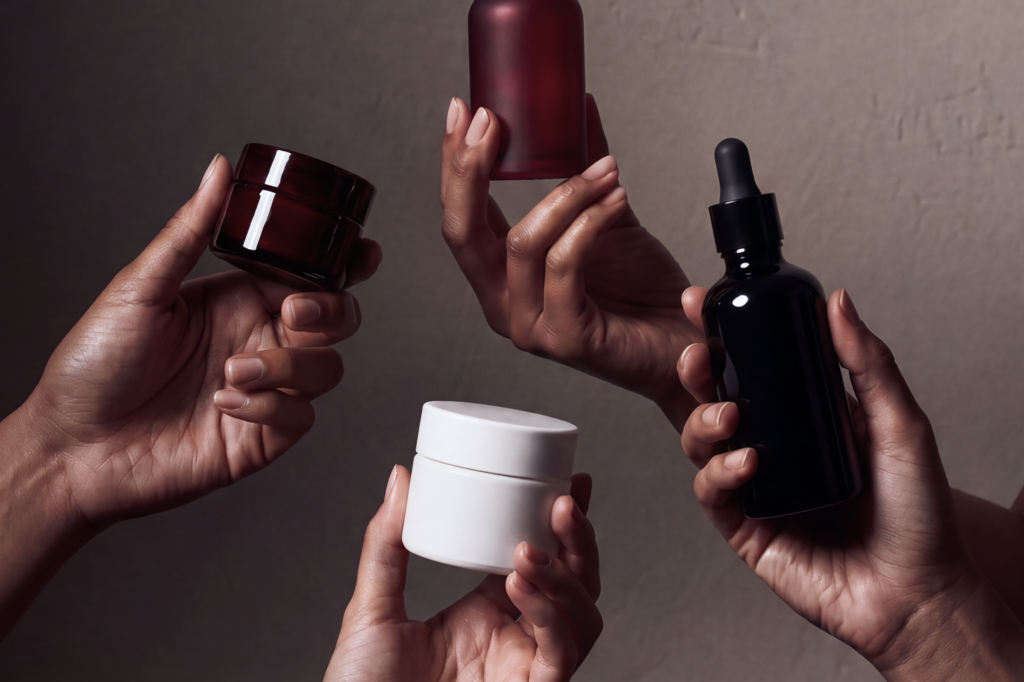
Globally, the cosmetics industry produces more than 120 billion units of packaging every year. The British Beauty Council’s flagship 2020 report, The Courage to Change , found that 70% of beauty waste comes from packaging, highlighting the urgent need for industry-wide shifts in sourcing, packaging design, and consumer behaviour.
Reading this report was a turning point for me. As a co-founder of ELEMIS, where I spent 33 years building a business I remain deeply proud of, I felt a personal responsibility to help drive change. Five years ago, I became a volunteer, and then a co-chair of the Sustainable Beauty Coalition (SBC), a pioneering initiative under the British Beauty Council that brings together passionate leaders across the sector to collaborate on long-term, meaningful sustainable solutions.
In my years in business, I have come to understand there is no contradiction between profitability and sustainability. Businesses must be commercially successful to thrive, but they must also ensure they are future-proofing their operations for both the planet and people. Sustainable change is no longer optional; it is essential.
I believe the UK can become a global leader on sustainable beauty. To achieve this, packaging is the most visible and immediate challenge. Every product should be reviewed through a simple hierarchy; what can we remove, what can we reduce, what can we refill or reuse and finally what can be genuinely recycled?
Too many beauty products are still encased in mixed materials that are difficult, or impossible to recycle through standard UK systems. Many products are over-packaged, oversized, and contain unnecessary magnets, spatulas and leaflets that add to the problem. While many brands promote recyclability, the reality is that the infrastructure often does not support those claims.
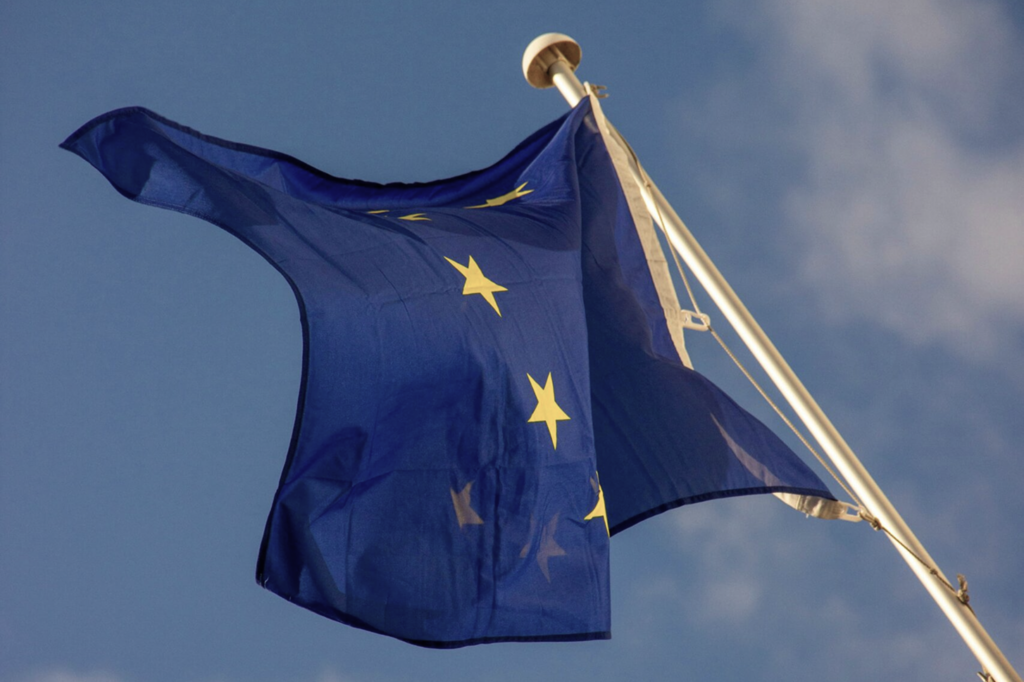
Real progress requires more standardised packaging formats, scalable refill models, and stronger regulatory enforcement, including measures such as Extended Producer Responsibility under the Environment Act 2021. Without systemic accountability, waste will continue to be externalised. Emerging EU regulation will also accelerate this shift in the years ahead.
This is precisely why the SBC chose waste as one of its first major priorities. In March 2025, we launched The Great British Beauty Clean Up, a collaborative annual campaign that brings together some of the UK’s largest beauty brands, retailers and salons to tackle the industry’s waste problem directly. In its second year, 2026, more than 55 national brands and businesses joined the initiative, demonstrating the power of collective action in building a more circular beauty economy.
In 2026, we also launched the ‘Takeback Box’ initiative with MY GROUP, expanding BBCo’s national recycling map and making hard-to-recycle product disposal more accessible to consumers across the UK.
Alongside this, the SBC team created “A Journey to Reuse” playbook, designed to help beauty brands, retailers, and suppliers transition from single-use packaging to refillable and reusable systems. It provides step-by-step guidance on implementation, design and consumer engagement, helping businesses move from intention to action.
Innovation in materials is equally important. We must better understand the environmental and health risks associated with plastics, while investing in new bio-based alternatives. Five years ago, the British Beauty Council created The Plastic Solutions Summit to convene brands, retailers and industry leaders around actionable solutions to tackle the industry’s reliance on single-use plastics. This has since evolved into the Packaging Solutions Summit, which continues to champion innovation and spotlight changemakers in beauty packaging.
Equally urgent is the issue of greenwashing. Terms like “Eco-Friendly” and “Natural” remain loosely regulated, allowing brands to project sustainability without evidence. Greater independent verification is needed to give consumers the clarity they deserve. To address this, the SBC worked on a Planet Postive Beauty Guide – a digital PDF and consumer-facing resource to demystify green beauty claims and tackle misleading marketing. It helps shoppers understand sustainability across four key areas: ingredients, packaging, people, and sourcing.
That said, responsibility cannot rest solely with the consumer and their purchasing power. The industry itself fuels over consumption through relentless product launches and short trend cycles and a culture of disposability. A truly sustainable model would prioritise fewer, high quality products supported by refill systems and longer life cycles. Brands and retailers must lead this cultural change, not simply react to shifting consumer expectations.
The UK is well positioned to lead the global sustainable beauty movement, with both regulatory momentum and the influence of world-class brands. But leadership requires honesty. Sustainability cannot remain a branding exercise; it must become an operational standard embedded into every aspect of the industry.
Until that happens, the gap between what the industry says and what it does will only become more visible.
It is such a privilege to be part of the British Beauty Council’s Sustainable Beauty Coalition, working alongside such a committed collective of people who understand the power of collaboration. Together, we can – and we will – make a difference.