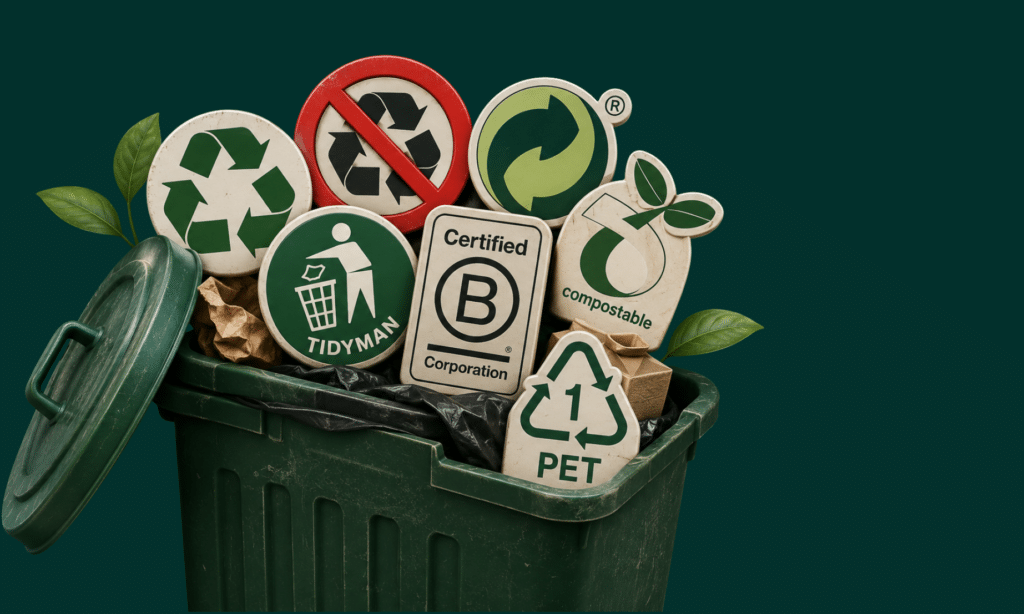
Want to avoid ‘wishcycling’? The well-intentioned practice of putting non-recyclable items into recycling with a hope that they’ll be recycled. While the goal may be admirable, wishcycling can contaminate batches of otherwise recyclable materials and result in more waste in landfills. Knowing your recycling logos helps you navigate what is and is not suitable for ‘kerbside’ recyclable at home and this guide is here to help.
If you find that the product or packaging you wish to recycle is not kerbside recyclable, you can consult our Recycling Points Map to find a recycling scheme that’s most convenient to you.
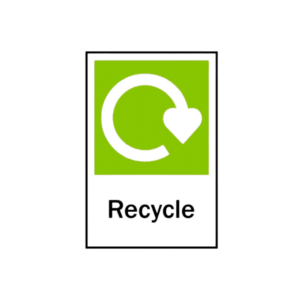
Recycle
This symbol identifies packaging that is kerbside recyclable by more than 75% of UK local authorities. It often comes with supplementary instructions, such as Rinse, Cap On, Lid On, Remove Sleeve.
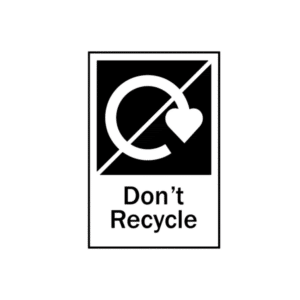
Don’t recycle
This applies to packaging that is kerbside recyclable by less than 50% of UK local authorities. Check your local authority for details

Green dot
This one might come as a surprise – the Green Dot does not mean that the packaging is recyclable or made from recycled materials. Rather, it indicates that the company contributes financially to recycling programmes.

Mobius loop
The Mobius loop indicates that a product’s packaging is recyclable. If there is a percentage inside the loop, that refers to the percentage of the packaging that was made with recycled materials.
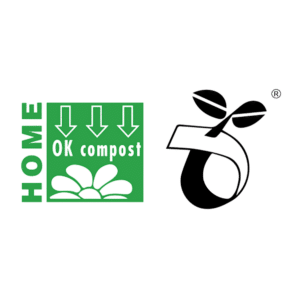
Compostable
The packaging with this symbol is compostable. Even if the packaging is plastic, do not try to recycle it, as it is meant to decompose and would only contaminate a batch of recyclable plastic. Instead, dispose of this packaging with your compost.

Aluminium
This indicates that the product is made from aluminium and is kerbside recyclable.
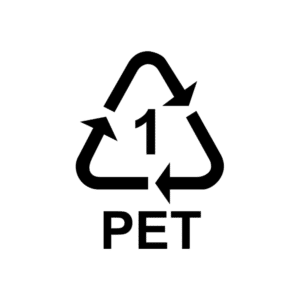
PET
PET (also PETE) is a general purpose thermoplastic plastic material and is the most recycled and reusable of all plastics. It is commonly used for bottles and containers for food, drinks and cosmetics. The number inside the loop refers to the type of resin used.
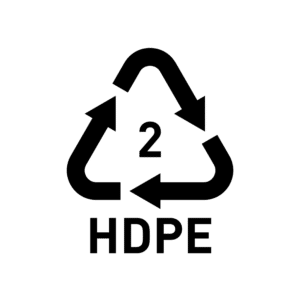
HDPE
Widely used in the production of various containers, such as bottles. HDPE is widely kerbside recycled in the UK and is considered a best-in-class polymer for circular packaging.
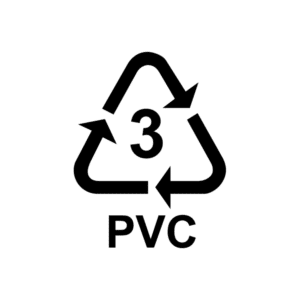
PVC
PVC cannot be kerbside recycled in the UK.
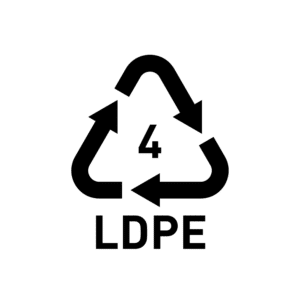
LDPE
LDPE is commonly used in plastic ‘bags for life’, squeezable bottles and bubble wrap. It is typically not kerbside recyclable in the UK and has to be taken to supermarket facilities. However, as of March 2026, local authorities have been mandated to work towards integrating LDPE into kerbside recycling facilities.
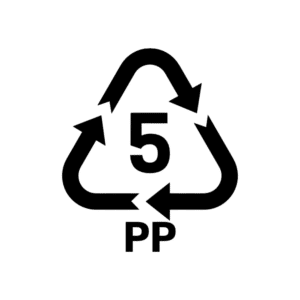
Polypropylene (PP)
PP is made from thermoplastic commonly used to make products that need to be waterproof, heat proof and strong. These can include cosmetics tubes, reusable water bottles, toys and car parts like bumpers. Although it is technically recyclable, only 1-3% of PP is recycled globally. It is, therefore, recommended to make use of takeback schemes to recycle PP.
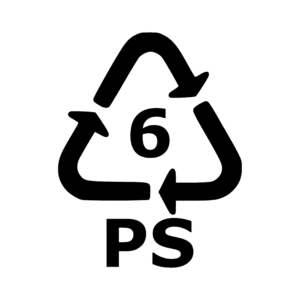
Polystyrene (PS)
PS is technically recyclable but traditional recycling facilities cannot yet handle it due to its breaking down into small pieces. Look for specialist recycling programmes instead of kerbside recycling.
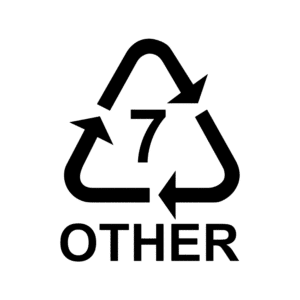
Other
These are resins that don’t fall in the previous 6 categories. This group includes fibreglass and acrylic plastic. Different resins in this category have different recyclability potential so do not assume ‘O’ is kerbside recyclable and dispose of these plastics in general waste.
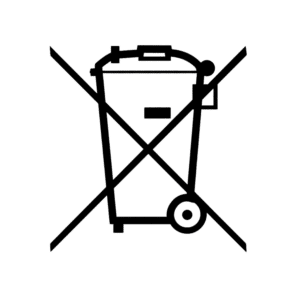
Electricals
This symbol cautions against putting electrical items in your bin. These should be recycled at special locations provided by your local authority.
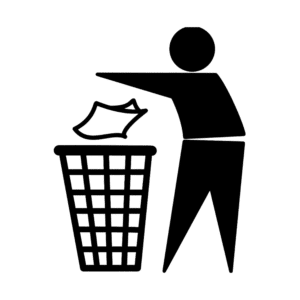
Tidyman
This encourages responsible waste disposal and does not tell you whether the packaging is recyclable or not.
B Corp
This signifies B Corp certification, which means the company behind the product has been certified by B Lab as meeting high standards of social and environmental performance, transparency and accountability. However, this symbol does not mean the packaging is recyclable.