As an industry where 95% of businesses are SMEs, 86% of innovators and entrepreneurs are female founders, and over 60% of salon professionals work independently, our economic blueprint is distinct.
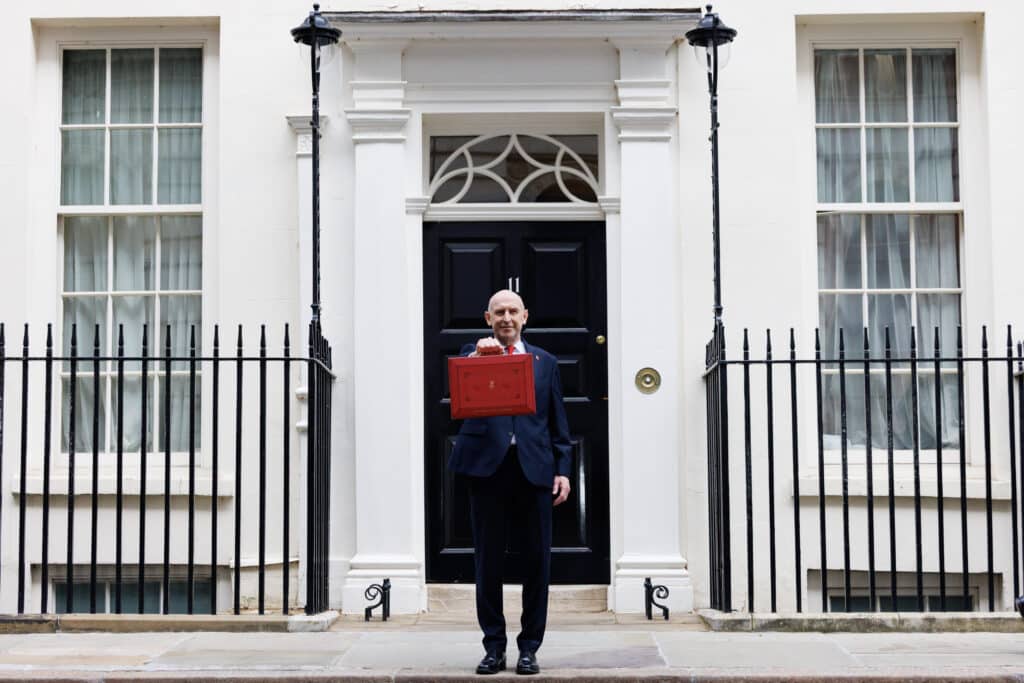
Across this commercial landscape, the Budget presents a tale of two halves. For microbusinesses and early-stage founders, the Chancellor has announced some welcome measures; however, for mid-sized employers, the continued squeeze on wage bills and day-to-day operating costs remains glaringly unaddressed. Here’s everything you need to know.
Business on the High Street
For our bricks-and-mortar salon owners, barbershops, nail technicians, and aesthetic clinics, business rates have long represented an inflexible burden. The Chancellor announced a number of measures, these included:
- Higher SBRR Threshold: Increasing the 100% relief threshold from £12,000 to £18,000 for retail, hospitality, and leisure (RHL) properties removes an estimated 70,000 UK small businesses from the rating list entirely. For beauty and personal care, this brings roughly 1,700 additional salon premises into zero-rate status, joining the 50% of venues that already pay no rates.
- Two-Year Real-Terms Freeze: Businesses across retail, hospitality and leisure with rateable values sitting above £18,000 will see their bills capped at inflation over the next two years.
- Extension of the Transitional Relief Scheme: The government’s business rates transitional relief scheme has been extended for another two years, brought in with the intention to cushion larger businesses from sudden, cliff-edge rate adjustments and help with phasing in changes more manageably.
Self-Employed and Freelance Measures
Freelancers, self-employed hair stylists and session makeup artists make up an important part of the sector and its role as a creative industry. Several measures announced in the Budget will ease self-employed administrative and operational friction:
- Paid Parental Leave for the Self-Employed: In a critical step forward for childcare equity, self-employed fathers and partners will now be eligible for paid parental leave. With a majority-female workforce and high rates of solo-trading, closing parental safety-net gaps across non-PAYE roles has been a long-standing priority for the Council.
- Tripled Trading Allowance: Raising the tax-free allowance on new commercial ventures from £1,000 to £3,000 offers valuable headroom for creators testing everything from new product formulations and brand concepts to freelance client lists and new services.
- Transport and Travel Allowances: Extending the 5p fuel duty cut to next summer, alongside increasing the higher business mileage rate from 25p to 35p per mile, helps mitigate travel costs for freelance professionals visiting clients and job locations.
Scaling British Brands, Female Founders, and Capital Access
The Council has engaged across government departments to demonstrate the UK personal care sector’s role as a global powerhouse of formulation, creativity and innovative brands, highlighting areas where red tape or a lack of investment is stifling potential growth. As a result, the Treasury has announced a package of measures for enterprise, aimed at improving pathways for growth-stage businesses:
- Dedicated Funding for Women Entrepreneurs: With female founders heading up 86% of industry startups, the British Business Bank’s doubled commitment to £200 million for women-led businesses and funds is much welcomed, alongside a new female founder scale-up programme to target access-to-capital barriers.
- Founders’ Relief: The introduction of a 10% Capital Gains Tax rate on lifetime gains of up to £10 million from April 2027 aims to incentivise founders to grow and scale within the UK.
- Fair Marketplace Competition: Mandating stricter VAT enforcement on overseas third-party marketplace sellers addresses offshore VAT evasion, working towards the Council’s calls to ensure UK domestic retailers and brand owners are not unfairly undercut by unregulated imports.
What’s Missing for Employers
While the measures for sole traders and scale-ups are helpful, the Budget leaves employers largely unsupported at a time when annual employment has dropped by 2.8% across the beauty industry.
As a labour intensive industry, the announcement of a 3.9% increase to both the National Minimum Wage and National Living Wage will have a significant impact on employers already absorbing cumulative tax increases over recent years in addition to elevated utility tariffs, insurance premiums, and product inflation.
Not addressed in the Budget, the British Beauty Council and other industry organisation’s calls for a roll back on employer National Insurance Contributions to 2024 levels. This would relieve the sector’s single heaviest operational cost, protect the PAYE tax net, and halt ongoing job contractions across salons and factories.
Amendments to the Growth and Skills Levy that would allow businesses to more effectively use the fund on apprentice salaries and modular training, as well as government-funded apprentice travel and the reinstatement of Child Benefit for vocational trainees under 18, were also absent.
Looking Ahead
As policy development continues, and we await the outcome of the Milburn Review, the Council will continue to engage with government departments across Treasury, Business, Science, Innovation and Trade and Work and Pensions to make a case for further support on employment and skills – including further support around national insurance contributions.
In the meantime our verdict is that this Budget delivers some welcome breathing space for micro-businesses, relief for self-employed and freelance workers, and targeted funding for female-founders and scale-ups. However, what the government must acknowledge is that business and employers cannot solely carry the burden of rising costs to balance the books in Whitehall if we are to build a resilient personal care economy.