Five panel conversations, supported by leading industry sponsors Boots and No7 Beauty Company, ELEMIS, Cult Beauty, Medik8 and Sephora UK, explored the growing relationship between beauty and popular culture, the importance of beauty career pathways, the growth of wellbeing, the opportunities and challenges presented by AI, beauty’s human superpower and the continued need for greater industry inclusivity.
Beauty Meets Culture: The New Social Currency
Beauty is increasingly shaped by how consumers express themselves, connect with communities and engage with culture. Opening the day’s programme, this panel explored the blurring boundaries between beauty, culture and entertainment. Moderated by June Sarpong, it brought together Grace Vernon, Head of Boots Ignite, Foresight & Trends; Sienna Piccioni, Director of Beauty at WGSN; and entrepreneur Rochelle Humes, founder of My Little Coco and Eulah.
The discussion examined how brands are looking beyond traditional beauty to connect with consumers through music, sport, film, television and gaming. Sienna Piccioni described the shift as “lifestyle dipping”, explaining: “Consumers are more fluid than ever. They move between different identities, cultures, communities and aesthetics.”
As consumers become more informed, Grace highlighted the importance of transparency from beauty brands, noting: “Customers are so intellectual that they want the information and want brands to pull back the curtain, understand the ingredients in their products and explain what they actually do for them.”
Authenticity in brand collaborations was another key theme. With more musicians, athletes and public figures launching their own businesses and beauty products, the panel considered what makes a partnership feel genuine rather than simply a marketing exercise. Rochelle Humes emphasised the importance of founder-led storytelling, noting: “Founder-led content is so important to find a way to tell your story and tell your why so people feel invested.”
The conversation also explored how online communities and emerging platforms, from gaming to social commerce, are influencing what becomes culturally relevant. Reflecting on beauty’s wider significance, June Sarpong said: “Beauty is no longer simply about the product we buy. It’s about identity, experience, community, and of course, culture.”
The Power of Beauty to Create Opportunity
Moderated by Scott Wimsett, this panel brought together Clare Bishop, Chief People Officer at ELEMIS; Maria Coronado Moral, founder of MANIQUE and Young Ambassador for The King’s Trust; Shavata Singh, founder and CEO of Shavata Singh; and the Rt Hon Baroness Smith of Malvern, Minister for Skills.
The discussion explored the breadth of career opportunities in beauty, from entrepreneurship and business ownership to education and apprenticeships. Clare Bishop highlighted how young people can “start at a relatively junior level and be able to work their way up within the industry”, while Shavata Singh shared how work experience placements had led to a young person securing a degree apprenticeship.
The conversation repeatedly returned to the importance of making these career pathways more visible. Maria Coronado encouraged the industry to inspire the next generation by showcasing the breadth of opportunities available, saying: “You can be a therapist, but also open a business, and you can also be in the education side of it and open an academy.”
The panel also challenged the perception that University is the only route to success. Baroness Smith reinforced the importance of vocational routes, saying: “We’ve got to get away from the idea that the only route to success is through an academic route.”
Supported by ELEMIS, it highlighted Beauty Without Barriers, a new research project with the British Beauty Council and The King’s Trust addressing youth unemployment and the industry’s future talent pipeline. With the UK beauty and personal care industry contributing £28.3 billion to the economy and supporting 595,000 jobs in 2025, investing in the next generation is vital to its continued success.
The Feel Good Factor: Beauty’s Wellbeing Impact
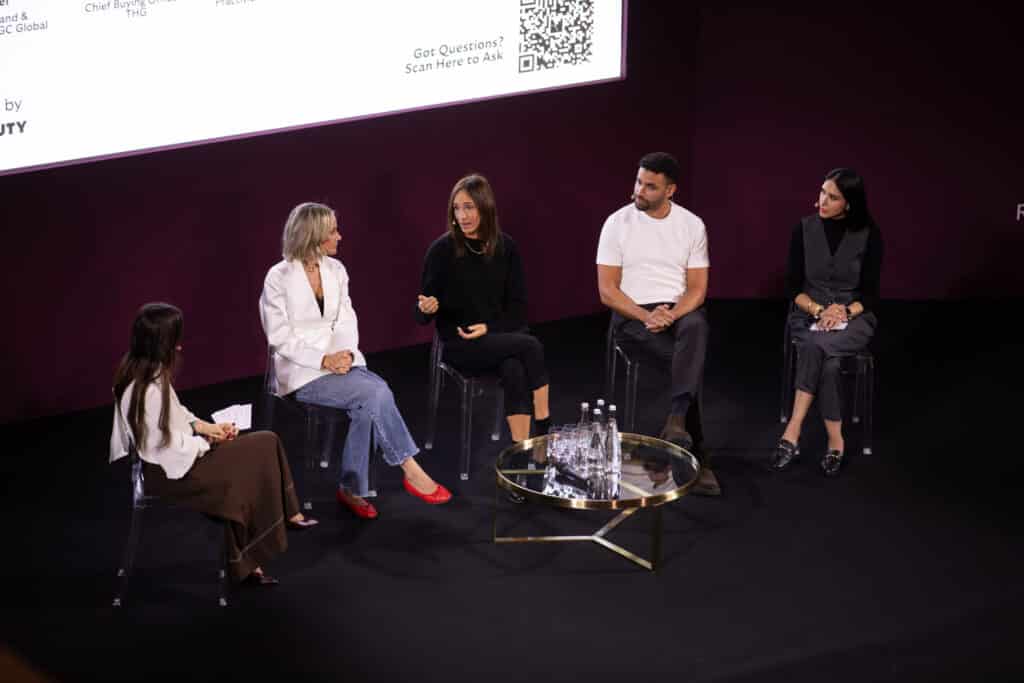
Bringing together perspectives from beauty retail, nutrition, sport and medicine, this panel explored the role beauty can play in how we feel, both physically and emotionally. Moderated by Jess Diner, the conversation featured Billie Faricy-Hyett, Chief Buying Officer at THG; Rose Ferguson, functional medicine practitioner and nutritionist; Thomas Kanu, former professional footballer and founder of The Turmeric Co; and Dr Raj Arora, GP, aesthetic doctor and TV medic.
The discussion explored beauty’s relationship with confidence, self-esteem and overall wellbeing. Billie highlighted the emotional impact of appearance, saying: “When we feel good about how we look, and it’s not about being vain, we know that we do feel better.”
The conversation also examined the growing crossover between beauty and wellness. Thomas championed a preventative approach to health, highlighting the importance of “nutrition, lifestyle, stress, sleep, and incorporating that into a holistic lifestyle”. Dr Raj questioned where the pursuit of longevity and optimisation can become counterproductive, asking: “Where is it over-optimising, and where is it actually causing more stress than relief?”
Rose brought the discussion back to balance by noting: “It’s not sexy and it’s not exciting, but if you find a balance and you do it, it’s more repeatable, more sustainable.”
The Next Gen Beauty Shopper: Community, Commerce & the Future of Discovery
With consumers faced with more beauty information and choice than ever, the panel explored how trust, technology and community are influencing the path to purchase. Moderated by Rupert Daniels, the discussion featured Dr Bibi Ghalaie, Medik8 Global Ambassador; Hannah Walker, Director of Mid Market Sales UK at Reddit; Marina Mansour, President of Beauty at Kyra; and Leanne Elliott Young, CEO and Co-Founder of PATINA.
Marina Mansour highlighted how repeated exposure plays a role in consumer decision-making, noting: “The feed moves fast but people purchase slow.” Turning to the role of AI, Dr Bibi Ghalaie considered how technology can help consumers navigate an overwhelming amount of information. She explained that AI can help break down conflicting advice into more digestible categories, allowing consumers to “ask more informed questions before seeking expert advice”.
Hannah highlighted the growing influence of online communities, including Reddit, and the trust that comes from shared experiences and recommendations: “If you get a recommendation from one person that says one thing, but the collective are all saying the same thing, that brings a lot of trust.”
Meanwhile, Leanne Elliott Young pointed to a shift towards more considered purchasing, with consumers taking greater care to research products and assess their value. As she explained: “People want to hold onto products for longer. They want to know what they are buying actually has worth.”
Beauty’s Superpower: The Human Connection
What does it mean to feel seen, represented and welcome in the beauty industry? To close the day, this panel explored the importance of human connection and inclusion, bringing together perspectives from retail, entertainment and advocacy. Moderated by journalist and editor Deborah Joseph, the discussion featured Sarah Boyd, Managing Director of Sephora UK; Phyllida Swift, CEO of Face Equality International; Golda Rosheuvel, British actress and British Beauty Week Ambassador; and Stacey Duguid, founder of Encore.
Golda reflected on the challenges she faced earlier in her acting career, when finding suitable products for her skin tone and textured hair was often her responsibility. Joining Bridgerton marked a turning point, when she was told: “It’s okay, you don’t need to do that. We’ve got you covered.”
For Sarah, inclusivity is about making every customer feel welcome, whether shopping in-store or online. She explained: “Inclusivity is about creating an environment where everyone who walks into a store or shops online feels completely welcome.”
Drawing on Sephora’s research with Face Equality International, the conversation addressed the experiences of people with facial differences, the importance of inclusive beauty advice and the need to recognise individual needs. The panel also highlighted the need for greater representation across age and appearance.
Stacey shared that, according to The Behaviour Agency, 69% of women aged 45 to 60 feel invisible to retail brands, despite wanting to see themselves represented. Phyllida added: “We live in a world where inclusivity is more celebrated, and seeing yourself reflected in advertising is an important part of that.”