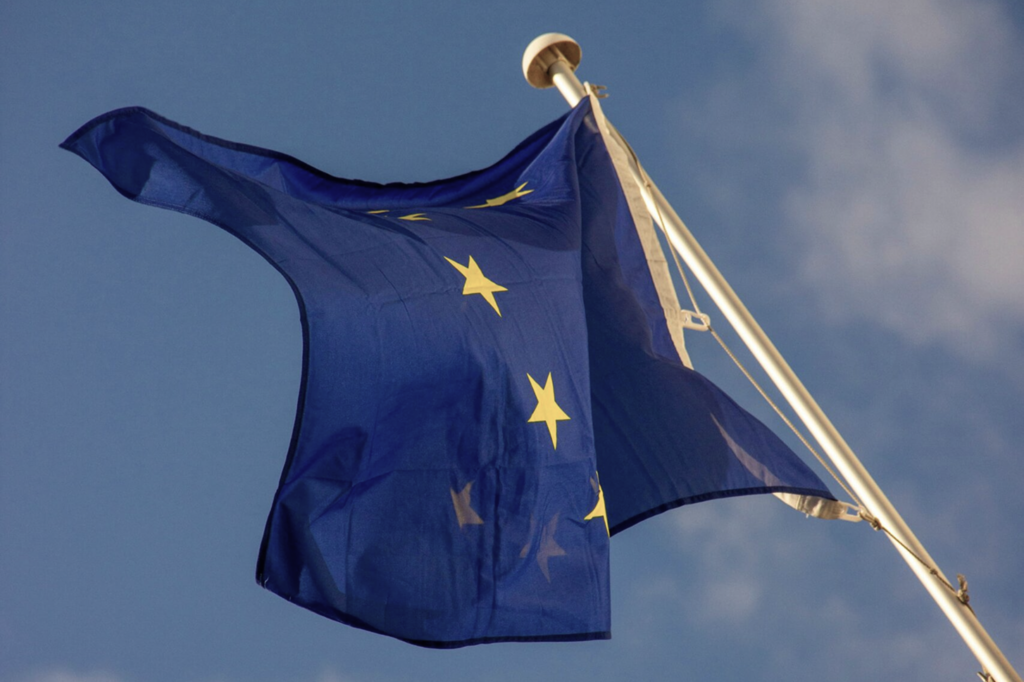
The opportunities South Korea presents are made all the more accessible by the recently-upgraded Free Trade Agreement between the UK and South Korea, as well as by this year’s extension of Rules of Origin regarding EU Cumulation, which allows British beauty brands who rely heavily on EU sourcing to continue exporting to South Korea tariff-free.
Cosmetics regulations and requirements
For cosmetics, an entry notice must be submitted electronically to the Korea Pharmaceutical Traders Association (KPTA) when goods are imported into South Korea.
South Korea requires country of origin labelling for all imports.
South Korea has a robust distinction between general and functional cosmetics. The former can be sold without pre-market registration, although the KPTA notice is still required. The latter, on the other hand, require pre-market registration. They also need to get a letter of approval from South Korea’s Ministry of Food and Drug Safety (MFDS).
You must also register a ‘responsible cosmetic distributor’ with the MFDS. This necessitates establishing an importer responsible for product quality and safety.
Note that the MFDS is now launching pilots for a mandatory Cosmetics Safety Assessment System, which may complicate regulatory compliance.
Note also that animal testing in cosmetics is banned in South Korea and this ban extends to imports.
Customs, duties and declarations
See this toolkit for the administrative requirements for getting goods into South Korea.
British exports to South Korea amounted to £8 billion in 2025, making it the UK’s 25th largest export market.
Invest Korea have specialist information for businesses looking to trade on Korean markets, incl. Info about investment opportunities.
Please note that South Korea has a different numerical system to the UK, therefore it is important to ensure that numbers are properly understood by both parties when negotiating.
Tariffs and tax
- While the UK and South Korea have a FTA, rules of origin rules must be met for reduced tariff rates to apply. Rules of Origin regarding EU Cumulation were extended this year, so if you rely heavily on EU sourcing, you still qualify for reduced rates.
- VAT for exports to South Korea is 10%.
- The UK has a double taxation agreement with South Korea, which means that you will not be charged twice for the same income stream.
Intellectual property
The UK and South Korea are WTO members, which requires them to adhere to the Trade-Related Aspects of Intellectual Property Rights Agreement. Both countries are also signatories to the Paris Convention, the Berne Convention and the Patent Cooperation Treaty, as well as being in the Madrid Protocol. Hence, there is close alignment between them on safeguarding intellectual property.
Travel and immigration
UK nationals need an E-series Visa to work in South Korea.For shorter spans of time, you can apply for a C-4 Short-term Employee Visa.
Resources
If you need legal advice abroad regarding business, it is possible to find lawyers through the UK government.
The Department for Business and Trade have published a trade and investment factsheet on South Korea that can be accessed via here.
The factsheet includes information on:
- Information on trade and investment relationships between the UK and South Korea
- Specific regulations on both goods and services
- General challenges for trade between the UK and South Korea
- Which commodities are traded most often between the two countries
Useful links