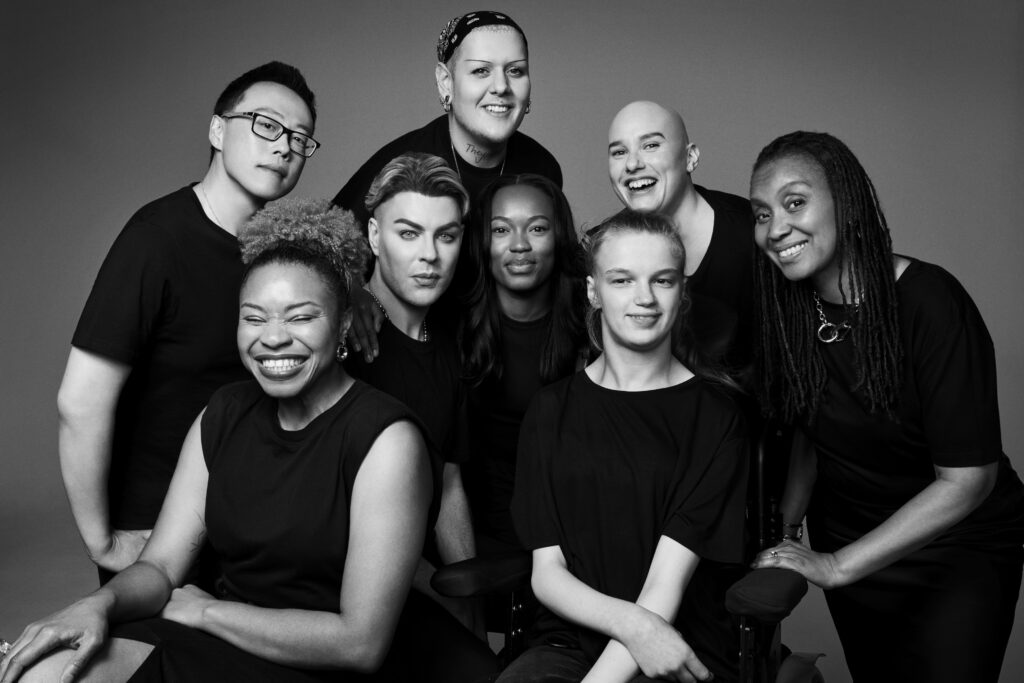
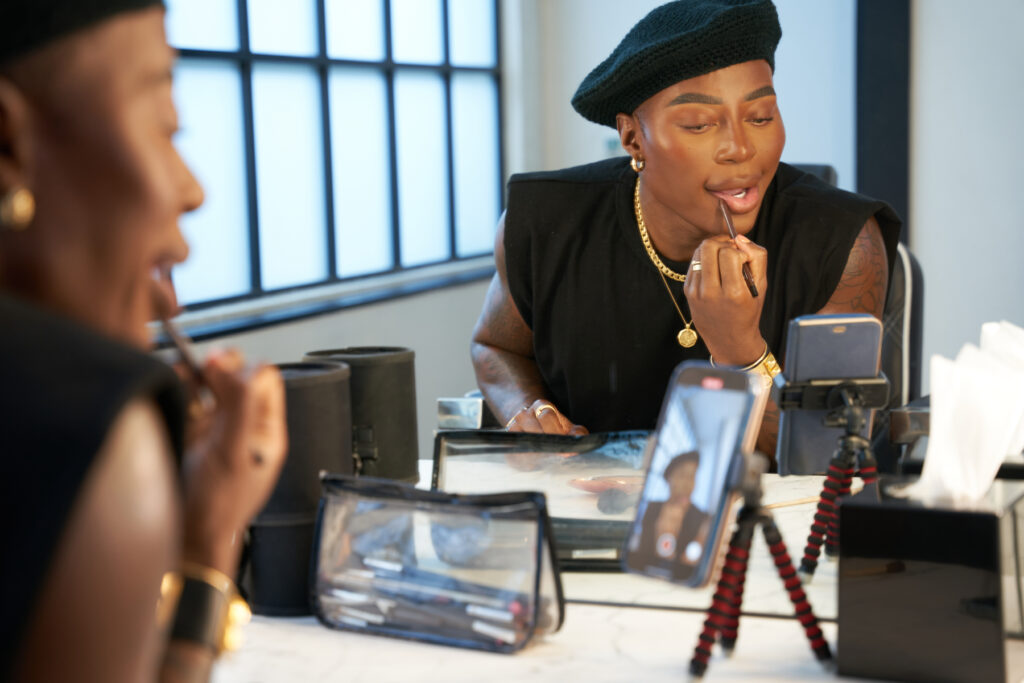
The documentary highlights the impact of being overlooked in professional environments, challenging the industry to recognise that hair and make-up are not simply about appearance, but are fundamental to performer wellbeing, inclusion and the quality of a production.
Turning Conversation into Practical Change
Following the documentary, BECTU published a report, Hair, Make-up and Prosthetics: Essential Skills Requirements for Working with Textured Hair and Darker Skin Tones. Supported by the British Beauty Council, the guidance was developed by professionals working in film and television containing core recommendations for improving education around textured hair and darker skin tones.
Its key recommendations for the creative industries include:
- Better consideration of extra time needed to work with certain hair textures, or specialised products.
- Hair stylists who are familiar with an entire range of techniques from braiding, to barbering and colouring for all hair types.
- Availability of specialised make-up and prosthetic artists with a range of skin colouring knowledge.
- A policy that ‘no hair texture or skin tone is an optional extra.’
The report found that black, Asian, and minority ethnic performers in the creative industries experienced a litany of unprofessional conduct from certain hair and makeup artists.This included damage to their hair, having to pay for or do their own hair due to a shortage of professionals with the required skills, and having to bring their own personal make-up to work.
As such, Bectu’s report, alongside the work of supporting organisations, couldn’t be more essential.
Since its inception, the British Beauty Council has been campaigning for better representation of a diverse range of hair textures and skin tones across the industry.
From the report ‘A Beauty Industry That Looks Like You’ to the advocacy of its affiliates and strategic partners, the Council continues to engage with Government, businesses, and other organisations to promote change.