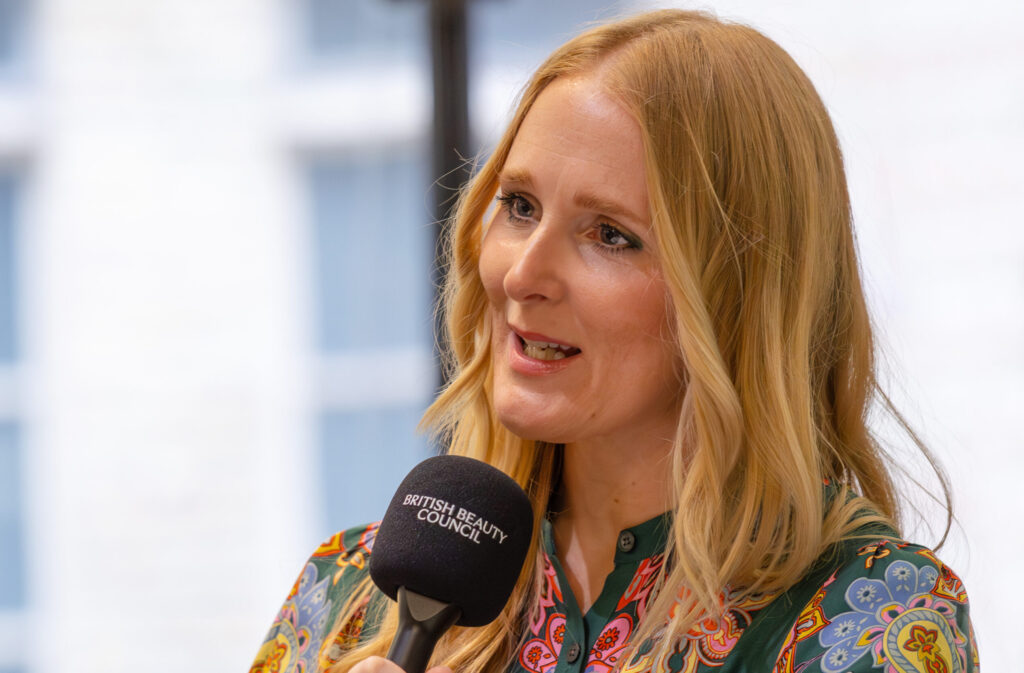
Lisa Payne, Head of Beauty Trends at STYLUS, shared Future Beauty Cohorts 2027–2029, an exclusive look at the future of beauty – the consumer behaviours, cultural movements and emerging aesthetics expected to influence the industry between 2027 and 2029. The presentation challenged businesses to look beyond traditional demographic categories and consider the motivations, values and evolving expectations shaping tomorrow’s beauty consumer.
The research identified three overarching directions: Pragmatic Performance, Disruptive Expression and Soft Sensorial. Within these sit nine distinct consumer cohorts, each offering a different perspective on the future of beauty.
Pragmatic Performance
Pragmatic Performance reflects a consumer increasingly interested in efficacy, functionality and products that deliver meaningful results. As conversations around health, optimisation and wellbeing continue to influence everyday life, beauty is becoming more closely connected to personal performance. 76.7% of Gen Z say their wellness purchases are driven by specific health goals (Kyra, 2026). Three cohorts sit within this space:
- Opti-Maximalists – Their approach to beauty is influenced by wellness, measurable results and a desire to get the most from their routines. With 46% of consumers seeking immersive, entertainment-driven retail experiences, including pop-ups, collaborations and community-building events (Boots, 2026).
- True Naturalists – A cohort seeking a more considered relationship with health and beauty, with an emphasis on natural approaches, ingredient awareness and a closer connection to the environment.
- Burnout Beaters – 34% of Gen Z and 30% of millennials report feeling anxious or stressed most or all of the time (Deloitte 2026). Reflecting growing fatigue with the pressures of modern life, these consumers are looking for ways to manage stress, restore balance and make beauty and self-care feel supportive rather than another demand on their time.
Disruptive Expression
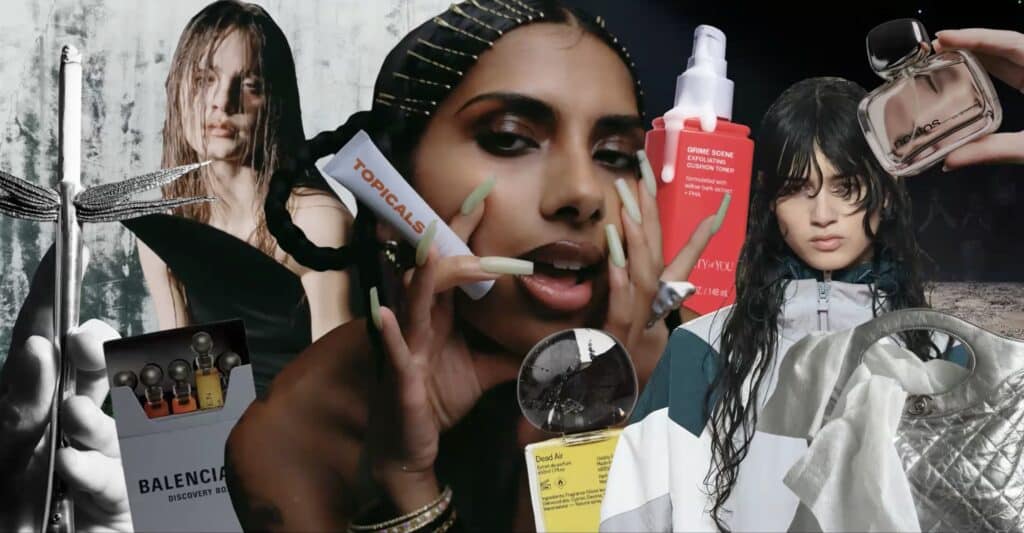
In contrast, Disruptive Expression explores the role of beauty as a tool for identity, individuality and cultural rebellion. As digital culture continues to grow certain aesthetics and subcultures, beauty offers consumers a way to experiment, challenge conventions and express different versions of themselves. Creative collaborations, distinctive visual identities, unconventional product formats and culturally relevant storytelling can all help brands connect with these three different cohorts of consumers seeking something different.
- Cyber Nostalgics – Drawing inspiration from digital nostalgia, gaming culture and the aesthetics of earlier internet eras, this cohort embraces playful, futuristic and expressive beauty. Expect bold colour, distinctive packaging and digitally influenced creativity.
- Dark Avant-Garde – A more experimental and unconventional approach, where beauty draws on darker aesthetics, artistic expression and boundary-pushing design. This is beauty as an art form, rather than simply a means of enhancement.
- Feral Girls – Challenging polished and traditionally prescribed beauty ideals, this cohort embraces a more rebellious, provocative and unapologetic approach to self-expression.
Soft Sensorial
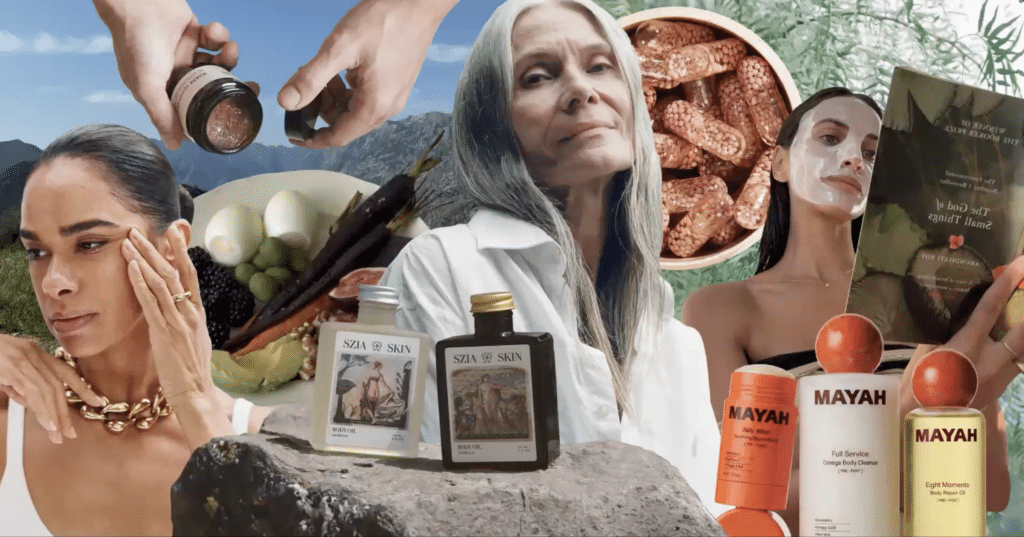
Soft Sensorial, places emotional connection, sensory pleasure and a desire for comfort at the centre of the beauty experience. In a world characterised by stimulation and competing demands, consumers are increasingly drawn to experiences that encourage them to slow down, reconnect and find meaning in everyday rituals. For brands can tap into the importance of experience alongside efficacy. Texture, fragrance, packaging, ritual and emotional storytelling all have a role to play in creating products that these groups of consumers want to return to.
- Ancestral Wellness Warriors – Looking towards traditional knowledge, heritage-inspired practices and a deeper connection with nature, this cohort is interested in beauty and wellness approaches that feel rooted in ancient wisdom and cultural identity.
- Period Romanticists – Inspired by historical references, romanticism and a renewed appreciation for craftsmanship and nostalgia, this cohort brings a sense of fantasy, storytelling and heritage into contemporary beauty.
- Soft Life Seekers – Prioritising ease, comfort and everyday enjoyment, these consumers are drawn to beauty that supports a gentler pace of life. Sensory textures, calming rituals and products that make everyday moments feel special are particularly relevant.
What does this mean for the future of the beauty industry?
While each cohort represents a different set of motivations and aesthetic preferences, the wider message is clear: the future beauty consumer cannot be understood through a single lens.
If you enjoyed the trends from Stylus and want to explore more of their insights, you can sign up here.