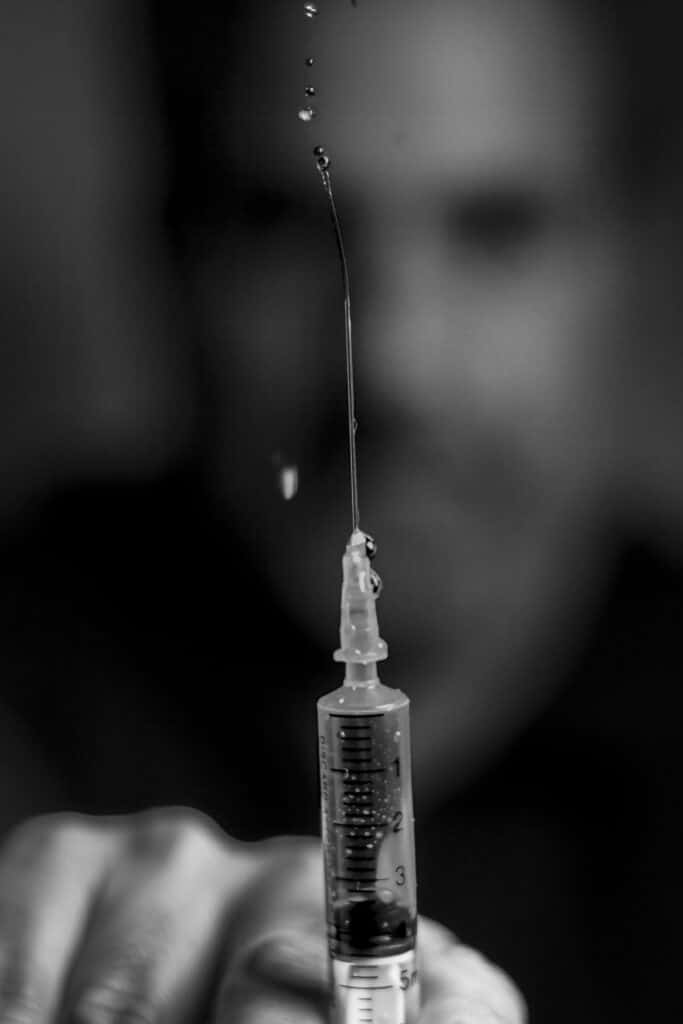
Separate from this, high-risk non-surgical and wellbeing treatments such as deep chemical peels, ablative lasers, IV drips, blood/plasma therapies or PRP facials, and non-resorbable fillers will be restricted to regulated healthcare professionals (HCPs) only.
To close the loopholes that have allowed procedures to take place in hotel rooms or unregulated home setups, Care Quality Commission (CQC) registration will become mandatory – limiting the offering of red procedures to selected HCPs operating in a clinical environment. It will also become illegal to perform these high-risk procedures on anyone under 18, with strict criminal penalties for those who don’t comply, including unlimited court fines or imprisonment.
The British Beauty Council has warmly welcomed and strongly endorsed these measures as a key step forward in safeguarding the general public. But to understand why this announcement is such a significant moment, it is worth looking back at the journey that brought us here.
The Road to Regulation: How We Got Here
For over a decade, the line between everyday beauty treatments and high-risk medical procedures has become increasingly blurred. A booming market combined with a historical lack of legal oversight allowed gaps in the system to be exploited, placing consumers at serious risk.
- 2013 – The Keogh Review: The landmark Sir Bruce Keogh review first warned of an unregulated “Wild West” in non-surgical cosmetics, urging the government to establish standardised qualifications and legal oversight.
- October 2021 – Under-18 Injectables Ban: The British Beauty Council, alongside fellow sector campaigners, successfully secured the Botulinum Toxin and Cosmetic Fillers (Children) Act 2021, making it a criminal offense to administer Botox or fillers to under-18s for cosmetic purposes.
- July 2022 – The Health and Care Act Amendment: Campaigning efforts secured a crucial amendment to the Health and Care Act 2022, granting Ministers the legal powers to establish a mandatory licensing scheme for aesthetics in England.
- Autumn 2023 – The Consultation on Risk Frameworks: The Government consulted on a three-tier (Red/Amber/Green) framework categorising procedures by risk level. The public and industry responded overwhelmingly, with over 11,000 responses demonstrating the urgency for change.
- June 2025 – Ban on Remote Prescribing: The Council supported the Nursing & Midwifery Council (NMC) to introduce mandatory face-to-face consultations prior to prescribing cosmetic injectables, curbing remote prescribing loopholes.
- August 2025 – Fast-Tracking High-Risk Procedures: Following tragic cases including the death of Alice Webb from a liquid BBL procedure, the Government confirmed its two-tier approach (Local Authority Licensing and CQC Regulation) and committed to prioritising high-risk (red) procedures.
- Autumn 2026 – Draft Regulations: Having sat on the DHSC Expert Working Group to help shape these proposals, the British Beauty Council is proud to see these draft regulations formally put to public consultation.
Protecting Public Safety and the Sector’s Reputation
The primary motivation behind these regulations is clear: to safeguard the public, draw clear boundaries between clinical medical procedures and beauty treatments, and rebuild consumer confidence.
Tragic complications from unregulated high-risk procedures proved the urgent need for statutory action. Every day of delay leaves members of the public exposed to unnecessary harm. This announcement therefore marks a vital turning point.
Crucially, reputable beauty professionals across the UK fully support these changes. The personal care sector is an economic powerhouse, contributing £28.3 billion in GDP and £8.8 billion in tax revenues to the UK economy. Robust safety regulation does not hinder our industry, it protects legitimate, responsible businesses by ensuring the few that do not operate in this way can no longer tarnish the reputation of the majority of professionals who operate with care and integrity.
What Comes Next
The Government has launched a 12-week online public consultation on these draft regulations, closing at 11:59pm on 13 January 2027. Following this feedback period, the legislation is set to go before Parliament in Spring 2027.
As part of the announcement, we are also pleased that the UK Government has reiterated its commitment to introducing a nationwide licensing scheme for “lower-risk” and common high-street treatments, such as Botox and facial fillers. This remains an area requiring urgent attention, and we must maintain momentum to ensure those measures follow swiftly.
The British Beauty Council has championed this cause, providing evidence to multiple select committee inquiries, expert working groups, and successive political administrations. While there is still work ahead as this draft legislation moves through Parliament, we remain committed to seeing this through to the end, working side-by-side with government, industry partners, and practitioners until robust regulation and licensing are fully enforced across the country and the public can use our services with confidence and the security that their safety is the sector’s number one priority.
Have Your Say
We encourage all industry stakeholders, beauty professionals, healthcare practitioners, and members of the public to review the Government’s draft regulations and submit their responses to the 12-week public consultation before 13 January 2027. Together, we can build a safer, stronger aesthetics sector and raise the reputation of the industry as a whole.