When I was first asked what I think about equity, inclusion, and accessibility, I paused. Because it’s very easy to oversimplify – and much harder to sit with what it means.
At its core, it should be simple. As human beings, most of us believe in being kind, fair and respectful to others. EIA, to me, is about taking that instinct and giving it structure – turning good intent into something that can exist and operate within businesses, industries and systems that aren’t always designed for it.
Equity is often misunderstood. It’s not about equal output – it’s about equal experience. The opportunity to be heard, to contribute, and to exist within a space without being diminished. But who defines what “equal” really looks like? That’s where the complexity begins.
Diversity, for me, goes far beyond what we see. I’m a huge advocate for diversity of thought – because no two people experience the world in the same way. We don’t share fingerprints, so why would we share identical perspectives, communication styles or beliefs? The challenge isn’t difference – it’s our discomfort with it.
Inclusion is where this becomes real. It’s easy to talk about having a seat at the table. The reality is the table is only ever a certain size. There are only so many seats. So, what matters even more is what we do with the seats we have.
If you have a seat, it’s not just about representing yourself. It’s about representing people who aren’t like you – people who aren’t in the room, whose voices aren’t being heard, whose experiences you may never fully understand. That’s where inclusion shifts from intention to responsibility.
The beauty industry adds another layer to this. It is, by nature, built on visibility. What we see shapes what we believe is beautiful, acceptable, aspirational. That makes representation incredibly important – but also incredibly complex.
Because we cannot represent everyone, all at once, all of the time. And when we try to, we risk falling into tokenism – where inclusion becomes performative rather than meaningful.
So the question becomes: how do we make progress without pretending we can solve everything overnight?
For me, the answer is simpler – but not easier. We stop trying to do everything at once, and we start making smaller, deliberate commitments. We follow through on them. And then we build from there.
Progress isn’t about perfection. It’s about momentum.
I’ve seen this first-hand. I’ve worked with teams where, at the beginning, there was resistance – a sense of “we don’t need this”. But through conversation, exposure and small shifts in thinking, that same team became more open, more inclusive, more aware. And it changed the work. It made it better. More relevant. More human.
That’s what EIA can do when it’s done properly.
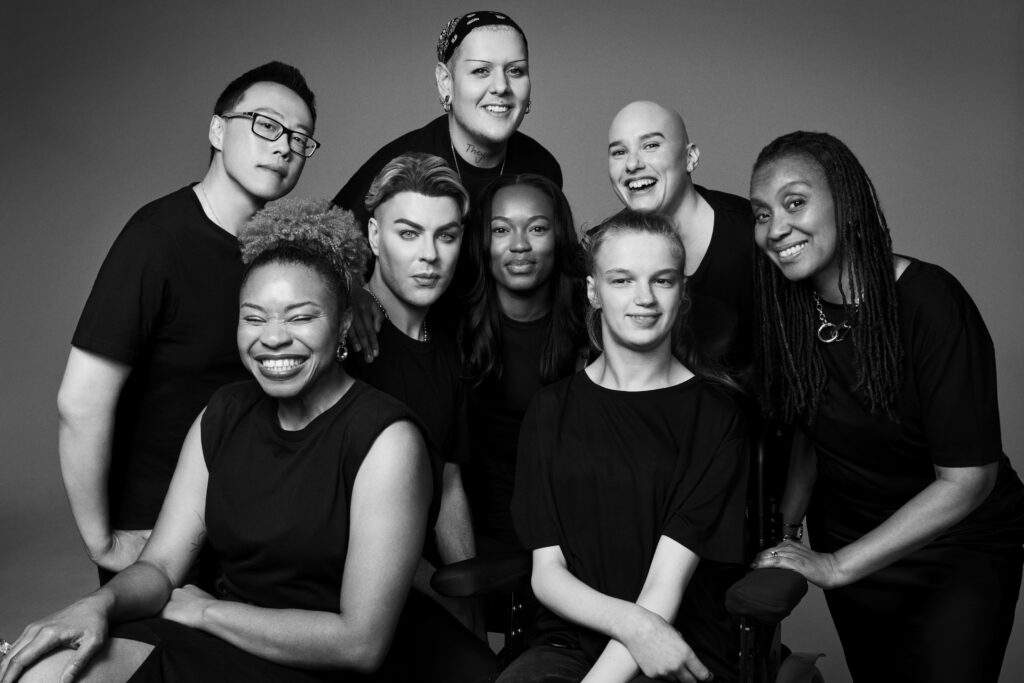
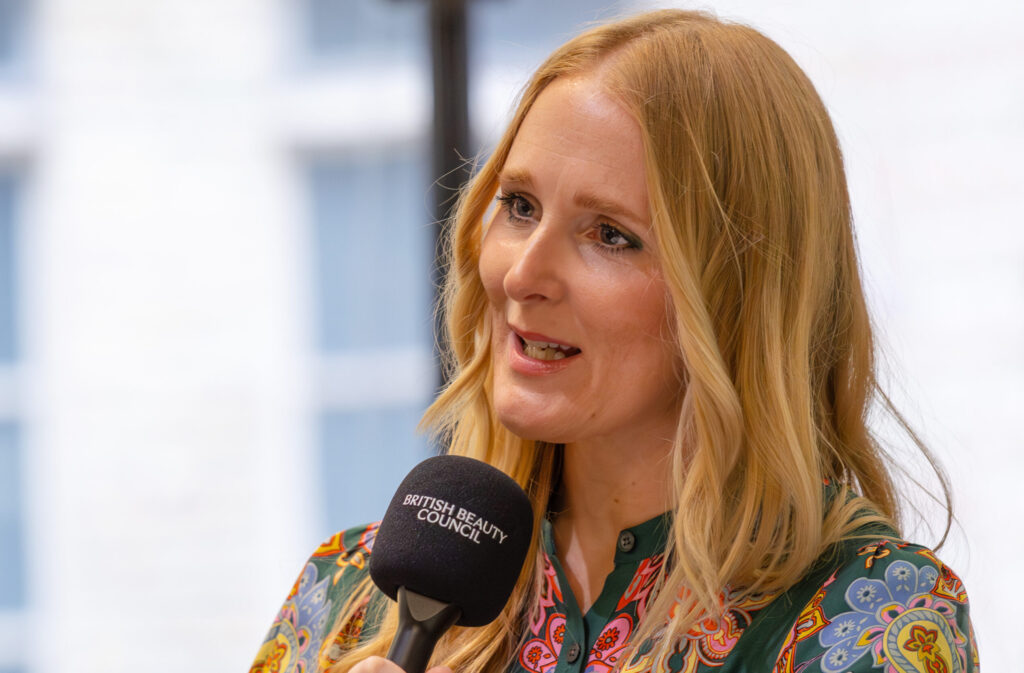
At the British Beauty Council, Hair Equity has long been a focus in recent years and Career Progression is always on our agenda. But we intentionally created distinct taskforces for Neurodivergence and Disability & Visible Differences. In our recent national census “A Beauty Industry That Looks Like You” the fact that nearly two-thirds identified as neurodivergent showed us there’s an immense pool of talent needing support. We needed to understand how to navigate a world where everyone thinks differently – and embrace that.
But we also must acknowledge reality. This isn’t always easy to implement. Organisational structures, commercial pressures, hierarchies – they all play a role in what is possible, and when. Not everyone is in a position to change everything overnight.
And that’s exactly why this must be a shared responsibility.
Initiatives like taskforces matter because they create accountability. They give structure to something that can otherwise feel abstract. But they only work if they are part of a wider, collective mindset shift.
Yes, leadership should set the tone. It has to start somewhere, and the top matters.
I’ve seen how small shifts – one conversation at a time – transform teams. Taskforces, like those at the British Beauty Council, turn passion into action. Whether it’s sustainability, policy, or EIA, these initiatives require lived experience, empathy, and courage.
But EIA cannot sit solely with CEOs, policy-makers or taskforces. It belongs to everyone – from boardrooms to shop floors, from content creators to customers.
And importantly, everyone has the right to expect it.
In today’s climate, conversations around EIA can feel loaded. There’s a nervousness – around saying the wrong thing, doing the wrong thing, being judged for imperfect action. But if that fear stops us from trying, we don’t move forward at all.
This is not about perfection. It’s about intent, effort and a willingness to learn.
Because ultimately, this isn’t about policy.
It’s about people.
It’s about understanding that one person’s needs, beliefs or lived experience do not diminish another’s. That inclusion is not a finite resource. Making space for someone else does not take space away from you.
And maybe that’s the simplest way to think about it.
EIA is not about forcing everyone into the same shape. It’s about allowing people to exist as they are – and still be part of the whole.
Not standing out from the crowd.
But being able to belong within it.
And in an industry like beauty – where so much is built on what is seen – that responsibility becomes even greater.
We have the power to shape perception. To influence standards. To decide who and what is visible.
So the question isn’t whether EIA matters. It’s what we choose to do with that responsibility.
And whether we’re willing to do it – together, imperfectly, but with intent – one step at a time.