Earlier this year, the British Beauty Council conducted an industry-wide survey designed to gather insights into the true makeup of the industry. Completed by 4000 respondents, the census gathered insights into the state of diversity, equity and inclusion in the beauty sector. This British Beauty Week, the organisation launched its initial findings.
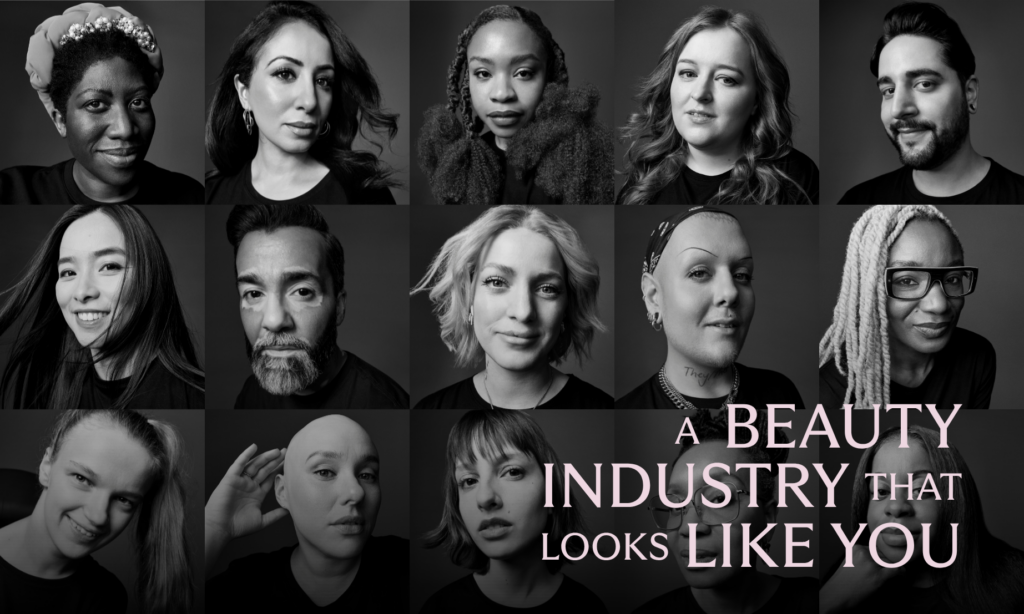
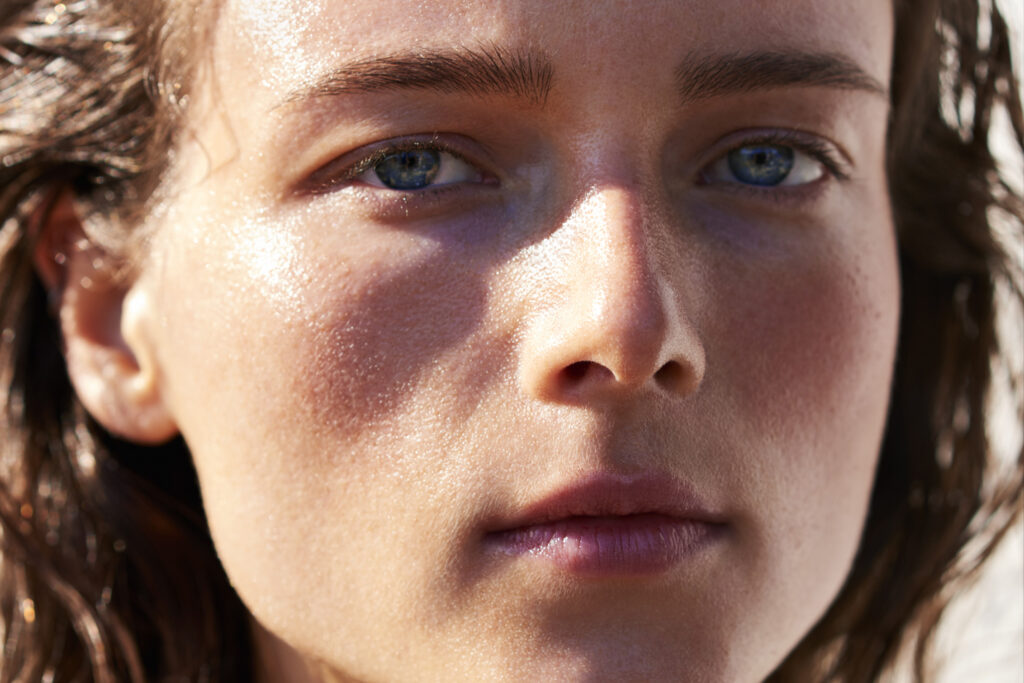
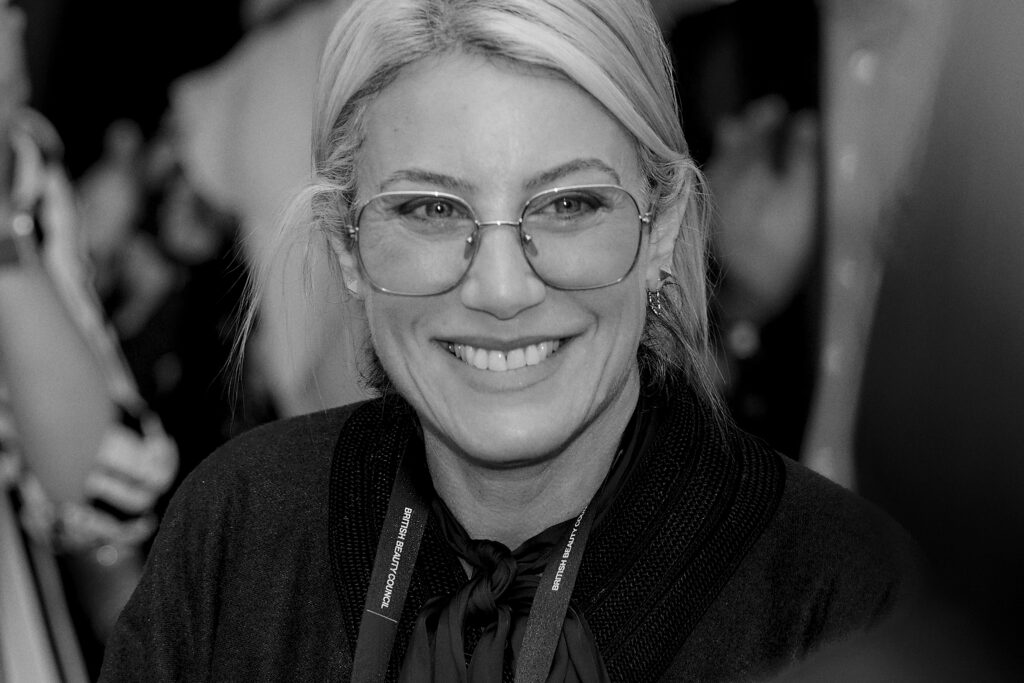
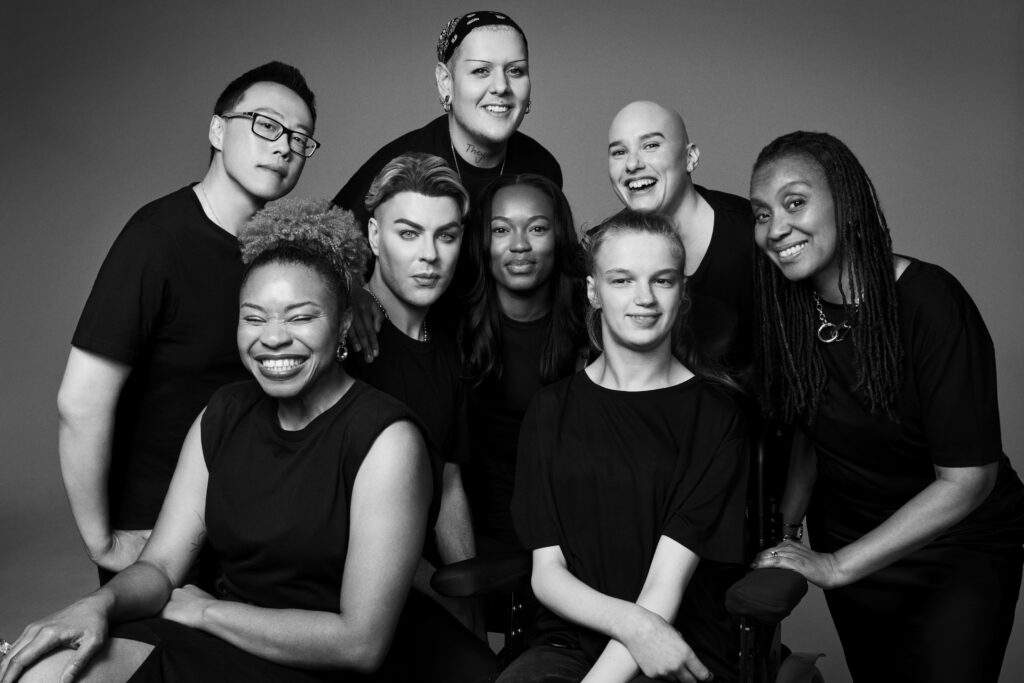
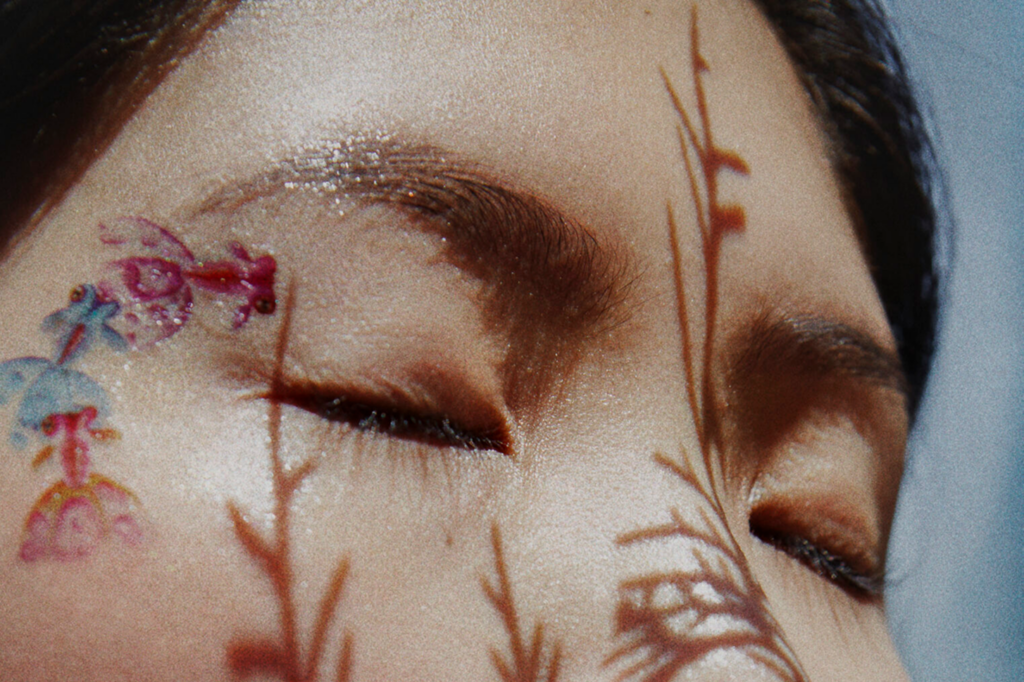
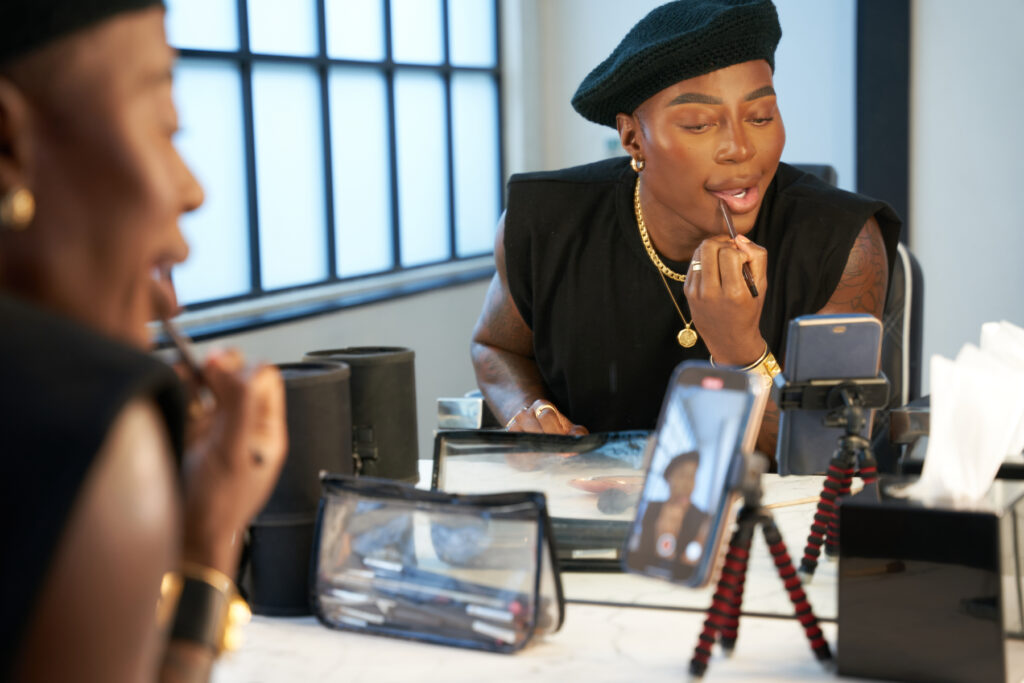
‘”A Beauty Industry That Looks Like You ‘ was initially thought up by the co-Chairs of our DEI committee,’ says Grace Warn, Head of Creative at the Council. She continues: ‘We used this ambitious title to develop a compelling campaign that was seen across out-of-home advertising, London taxis and social media throughout the data capturing period and British Beauty Week. The imagery, which was shot by Liz Collins, ensured the maximum visibility of our census, as people could identify and truly see themselves in all those represented.’
What do the initial findings show?
Following initial analysis of survey responses from those working in industry, the report uncovers three key areas that the industry can learn from and ignite much needed change.
Career Progression
Firstly it is clear that there is much to be done to support and encourage career progression of those with diverse characteristics. The census allows us to prove that, even though our industry provides access to entry-level jobs, there is a clear lack of diversity in senior level positions.
When it comes to respondents from director, CEO and board level roles, only two characteristics increased in percentage when it came to representation: men and those with white ethnicity. Representation in relation to all other identified characteristics – women, ethnic monitories, LGBTQIA+, disability, neurodiversity – all decreased compared to their overall representation across the industry, meaning that more found themselves in junior roles where decision-making power is lacking.
Neurodivergence
The census found that almost 20 per cent of our workforce identify as being neurodivergent – 4 per cent higher than the national average. It’s clear that the beauty industry undoubtedly offers a home to people living with neurodivergence so its time for us to turn inward and reconsider our educational and recruitment opportunities. The Council believes that a review and reestablishment of the current ‘fit-for-purpose’ education and training methods will be essential to adequately cater to the needs of those with neurodivergence.
Disabilities
More than a third of those working in the beauty industry and living with physical disabilities (36 per cent) are business owners, founders, or entrepreneurs – way above the overall national figure of 25 per cent. On the one hand, this proves the entrepreneurial value of beauty to this cohort but also points towards the fact that people living with disability find themselves in a position where they have to carve out their own space to thrive.
This cohort also witnesses an almost 50 per cent decrease in representation at senior levels in established companies compared to their overall representation across industry. What’s plain to see is people with disabilities’ specific experiences, wants and needs are currently not adequately discussed or considered in the workplace due to a stark lack of representation at key senior decision-making levels.
There is also a longstanding lack of representation of people with physical disabilities in beauty media and imagery. By promoting and ensuring progression of these people the industry will not only become a more equitable environment to work within it will also be an industry that consumers can see themselves in.
Overall, while the personal care industry shows promise in supporting marginalised communities there remains a significant gap in equitable career progression, income parity, and senior-level representation. The Council calling on industry to address the underrepresentation of disabled, neurodivergent, and ethnically diverse individuals in leadership roles.
Over the coming year, with the support of its DEI Committee, the British Beauty Council will share and report more of its findings from the census to help businesses make change and take decisive action. Through this work, the Council will aid industry to create a truly diverse, representative and inclusive space for everyone who interacts with beauty.
Read the report here.