At the close of 2022, there was increased media coverage surrounding PFAS in make-up (per- and polyfluoroalkyl substances). The CTPA has released a statement on the usage of these chemicals in make-up, here’s everything you need to know.
Join thousands of beauty professionals and enthusiasts on a mission to shape the future of British beauty.
Or are you a business that want to support us?
At the close of 2022, there was increased media coverage surrounding PFAS in make-up (per- and polyfluoroalkyl substances). The CTPA has released a statement on the usage of these chemicals in make-up, here’s everything you need to know.
PFAS are long-lasting chemicals, components of which break down very slowly over time. There are over 4,500 different forms of the compound – dubbed ‘forever chemicals’ – that can be found in a huge range of commercial and industrial products.
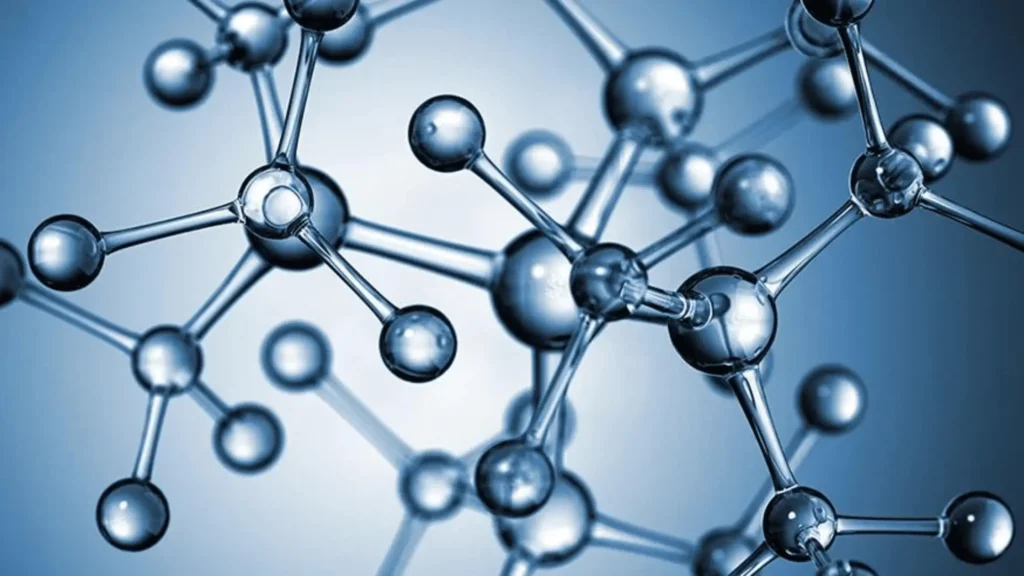
The thousands of compounds all react to the body and the environment in different ways. Most forms of PFAS contain one carbon and a fluorine atom joined together as part of their structure. This chemical linkage is very strong so they do not easily degrade in nature.
‘Within this very large group of substances, just nine are used in cosmetics and personal care products,’ states the CTPA.
Certain PFAS are intentionally added as ingredients in a small number of cosmetic products, including lotions, cleansers, nail polish, shaving cream, foundation, lipstick, eyeliner, eyeshadow, and mascara. This is because, in most cases, they make the product smoother, easier to apply, and increasingly water resistant.
The man-made compounds are also used in some hair treatments as they deliver high-shine and anti-frizz properties.
The most common PFAS used in cosmetics are PTFE (polytetrafluoroethylene), perfluorooctyl triethoxysilane, perfluorononyl dimethicone, perfluorodecalin, and perfluorohexane.
Dr Emma Meredith, Director-General at the CTPA, says: ‘Only 1.5% of CTPA member companies reported use of PFAS ingredients when surveyed in 2020. In the very rare case that PFAS have been used in cosmetics, the products have been carefully reviewed and approved by a qualified safety assessor to confirm that they don’t pose a risk to our health.’
The CTPA’s statement reads: ‘All cosmetic products and their ingredients must be safe for use. In the case of the nine PFAS used within cosmetics, we can be confident that these are subject to the same extremely strict UK and EU safety laws as is the case with all cosmetic ingredients.’
Studies exploring the effects of extensive exposure to PFAS have shown them to cause a range of reactions, including developmental effects on unborn children, increased pregnancy loss, and testicular cancer. The amount of PFAS in make-up is minimal, thus users are not at risk of these effects.
Scientific studies have shown that exposure to PFAs in the environment may have a negative impact on humans and animals, therefore many brands are phasing them out of their product lines. Dr Emma Meredith continues: ‘Companies have been further phasing out PFAS, cosmetic scientists have developed innovative alternatives that offer people the same product benefits they value.’
The CTPA is working with the Government to welcome scientific investigations into PFAS chemicals because any new laws must be based on the latest science and are risk-based and proportionate.

News
News
News
News
News
Interview
Apprenticeships
Sustainability
Trade
Aesthetics
Sustainability
Hair
British Beauty Week
Inclusion
UV Safety
Aesthetics
Sustainability
Interviews
Sustainability
Investment
Trade
Aesthetics
Government Policy
Government Policy
Government Policy
Great British Beauty Clean Up
Government Policy
Technology
Government Policy
Trade
Aesthetics
Government Policy
Reports
Apprenticeships
Great British Beauty Clean Up
Sustainability
Business
Value of Beauty
Aesthetics
News
Interviews
Tax
Government Policy
Investment
Sustainability
Government Policy
Hair
Government Policy
Government Policy
Sustainability
British Beauty Week
British Beauty Week
Value of Beauty
British Beauty Week
Aesthetics
British Beauty Week
Government Policy
British Beauty Week
Interviews
Tax
Government Policy
Sustainability
Sustainability
Investment
Aesthetics
Aesthetics
Government Policy
Government Policy
British Beauty Council
Government Policy
Government Policy
Business
Business
Interviews
Tax
Tax
Government Policy
UV Safety
UV Safety
Reports
Government Policy
Government Policy
Government Policy
News
News
News
News
Interview
We use cookies to enhance your experience, analyse site traffic, and support our work. For more information, read our Cookie Policy.
A not-for-profit organisation representing the beauty industry, our work is supported by patrons and key industry stakeholders.
FEATURED
The Council champions the industry with government, tackles shared challenges, and drives positive change through industry-led committees.
FEATURED
Explore our guides, reports, and resources for consumers and businesses across British beauty.
FEATURED
Join thousands of beauty professionals and enthusiasts on a mission to shape the future of British beauty.
Or are you a business that want to support us?
Members enjoy full access to our reports, events, and resources. Already a member? Log in below. If not, become a member below.
By subscribing, you agree to British Beauty Councils privacy policy.
Government Policy
Business
Education
Apprenticeships
British Beauty Council
Lorem ipsum dolor sit amet consectetur. Tempus luctus non malesuada aliquet arcu sagittis dictumst vel turpis. Platea.
A not-for-profit organisation representing the beauty industry, our work is supported by patrons and key industry stakeholders.
The Council champions the industry with government and drives positive change through industry-led committees.
Explore our guides, reports, and resources for consumers and businesses across British beauty.