Climate change remains one of the most pressing challenges of our time, yet progress is being tested by economic uncertainty and global instability. Despite these pressures, consumer demand across beauty and personal care continued to rise in 2025, especially within prestige beauty, which grew an impressive +10%. Beauty and wellness are increasingly intertwined, and as a nation we’re buying more products than ever, driven by escapism, nostalgia, and a growing focus on self‑care.
Against this backdrop of sustained demand, reuse and recycling have never been more critical. World Recycling Day offers a timely reminder that every industry, and beauty in particular, has a pivotal role to play in shifting from a linear model to a truly circular one.
Refillable Beauty: Progress, but Room to Grow
Refill innovation has accelerated dramatically over the past five years. Products compatible with refilling have grown by more than £200m in sales since 2021, with the category expanding +22% last year alone, outpacing overall beauty growth. Consumers are clearly embracing smarter, lower-impact packaging options.
But there’s still a gap to close. Only 20% of the refillable market today comes from actual refill purchases. While shoppers are opting into refillable formats, many aren’t returning to replenish them. This represents a major opportunity for brands and retailers to better educate, engage, and inspire consumers around the financial, emotional, and environmental value of true refills.
As the idea of luxury evolves, the new luxury is circular. Consumers increasingly equate premium beauty with responsibility, craftsmanship, and thoughtful materials. Already, 41% associate sustainable packaging with being reusable. Designing packaging that feels collectible and covetable; beautiful objects intended to be kept, refilled, and cherished, may shape the next chapter of refillable beauty.
Recycling, Regulation, and the Power of Industry Action
Beyond at-home habits, the regulatory landscape is pushing the UK beauty sector toward more responsible design and disposal. New EPR (Extended Producer Responsibility) regulations coming into force introduce mandatory recycling labels, tighter material definitions, and greater accountability for how packaging is collected, sorted, and recycled. This shift places end‑of‑life responsibility more firmly on industry and encourages brands to design with recyclability in mind from the outset.
With nearly half of beauty sales occurring in physical stores, in‑store take-back schemes are increasingly powerful touchpoints. Retailers such as Boots and John Lewis are promoting strong engagement by linking recycling programmes to loyalty rewards, turning responsible disposal into a moment of connection and community. These initiatives not only drive footfall but also strengthen brand trust and long-term loyalty.
Across leading FMCG categories, sustainability-marketed products have grown more than twice as fast as conventionally marketed alternatives since 2019. The pattern is clear: when brands make sustainable choices easier, clearer, and more rewarding, consumers enthusiastically follow.
A Call to Action for World Recycling Day
World Recycling Day is a powerful reminder that meaningful progress depends on collective action. For beauty brands, retailers, and consumers alike, the path forward is shared and strengthened through thoughtful design, clear education, and deeper engagement.
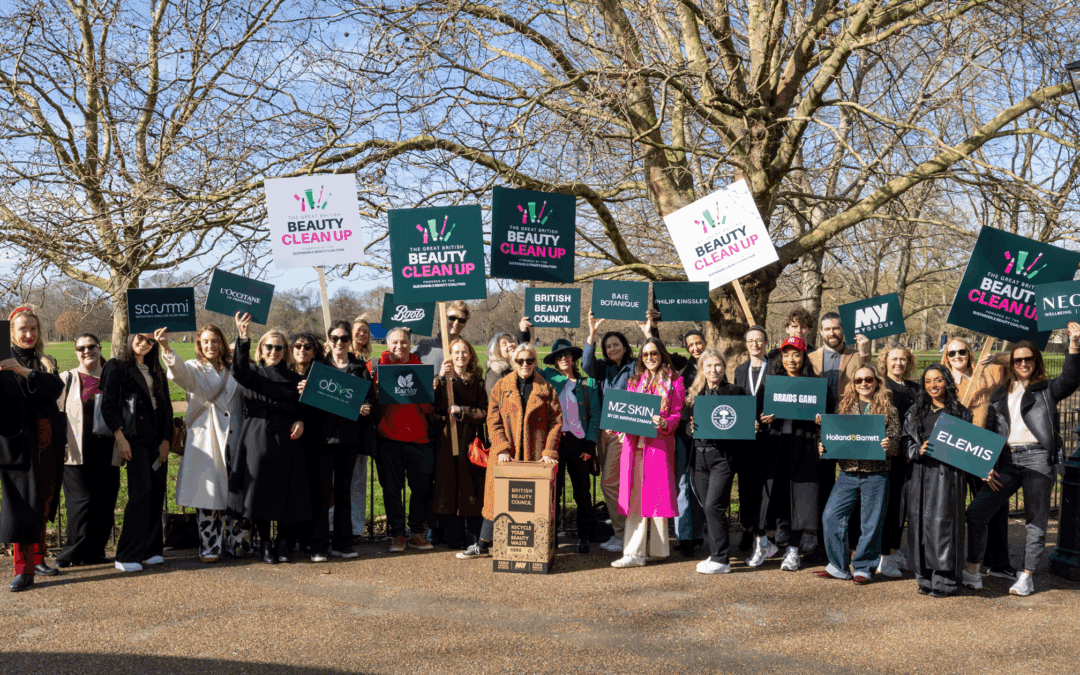
The British Beauty Council and its Sustainable Beauty Coalition are leading the way with the launch of their second annual Great British Beauty Clean Up (GBBCU), a campaign designed to champion and rethink how the beauty industry approaches waste, including pioneering solutions for zero‑landfill recycling. Running throughout March, the initiative invites businesses across the sector to get involved and join the movement.
By making conscious behaviours simpler, more rewarding, and more intuitive, we can increase participation and move forward as an industry, better supporting both people and the planet.