
Raising the Bar: The Journey to Aesthetics Regulation

For decades, the UK’s non-surgical cosmetic sector operated with minimal oversight, leaving both consumers and professional practitioners vulnerable. The tide began to turn in 2013 with the landmark Keogh Report, which famously described dermal fillers as a “crisis waiting to happen.” Since its inception in 2018, the British Beauty Council has been the primary engine for change, working with the Government to ensure that the recommendations of the past become the laws of today.
‘Sharp Standards’ A Guide to Elevate Microneedling Safety is launched by BABTAC and Dermalogica
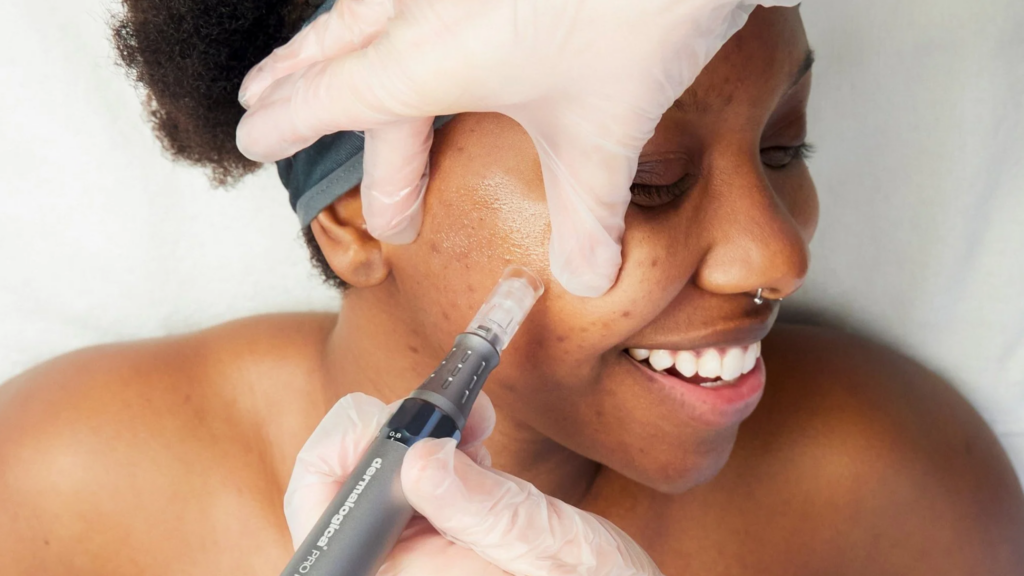
The British Association of Beauty Therapy and Cosmetology (BABTAC) and Dermalogica have launched an industry-wide ‘Sharp Standards Guide to Microneedling’, a toolkit aimed at standardising one of the UK’s fastest-growing cosmetic procedures.
Aesthetics Regulation – What Practitioners Need to Know

The British Beauty Council, together with the Department of Health & Social Care and other leading industry bodies have come together to provide practitioners within the aesthetics sector with all the information we currently know regarding the future of regulation for non-surgical cosmetic procedures in England.
British Beauty Council Welcomes Scotland’s Landmark Legislation on Aesthetics

For years, The Council has championed the necessity of rigorous standards around aesthetics in order to professionalise the sector, with this legislation representing a definitive step toward raising the reputation of the industry and safeguarding the public.
This Bill introduces long-overdue regulations for high-risk non-surgical procedures, including Botulinum Toxin, dermal fillers, and other advanced aesthetic treatments. By requiring these procedures to be performed by or under the supervision of designated healthcare professionals within registered, regulated premises, Scotland is setting a high bar for clinical excellence.
British Beauty Council recommendations are included in Women and Equalities Cosmetic Procedures Report

The British Beauty Council’s recommendation for a regulated aesthetics industry looks to be one step closer as The Women and Equalities Committee publishes its 11th Report on Cosmetic Procedures.
The Consumer’s Need to Know Guide on Aesthetics Regulation

With aesthetic regulation expected to be outlined within this parliament, how will this affect consumers who undergo aesthetic procedures? The British Beauty Council, along with the Department of Health & Social Care and other leading industry bodies have come together to provide the public with current information regarding the future of regulation for non-surgical cosmetic procedures in England. For information on Scotland read here.
Scotland takes a step toward regulating aesthetic treatments

For years, the British Beauty Council has campaigned for a regulated landscape in aesthetics that prioritises public safety. Last year, the Scottish Government published ‘The Non-surgical Procedures and Functions of Medical Reviewers (Scotland) Bill’, leapfrogging the UK Government in its commitment to tackling the unregulated landscape of invasive non-medical treatments and procedures.
Scottish Parliament introduces Non-Surgical Procedures Bill
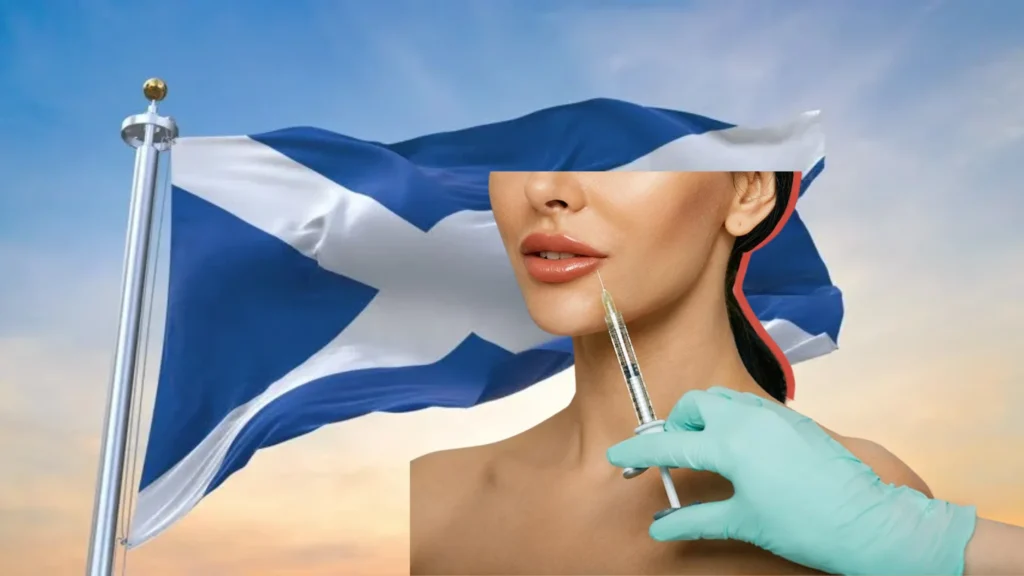
British Beauty Council Hails Landmark Scottish Bill as a “Game-Changer” for Aesthetics Safety.
UK Government to crackdown on unsafe cosmetic procedures after steadfast lobbying from the British Beauty Council

This morning, the Department of Health and Social Care (link https://www.gov.uk/government/organisations/department-of-health-and-social-care )announced its plans to push forward with the regulation of the aesthetic and non-invasive procedures sector.
British Beauty Council experts react to Government’s aesthetics crackdown

Following the Department of Health and Social Care’s announcement of increased licensing and regulation of the aesthetics and non-invasive procedures sector, British Beauty Council board members and Patrons share their thoughts.