
How will The European Accessibility Act affect beauty?

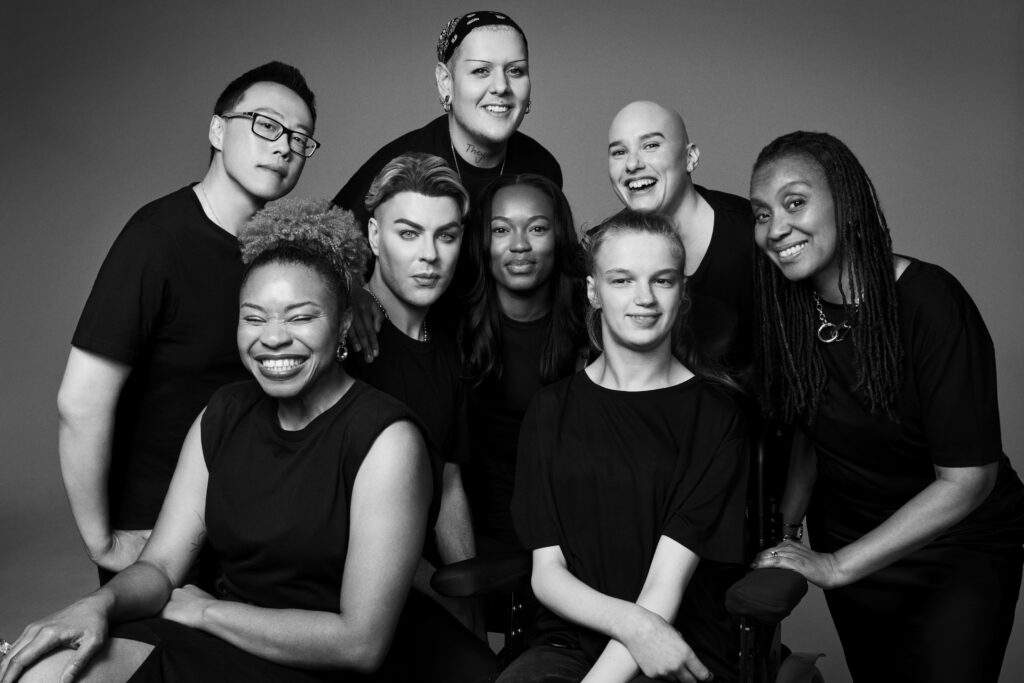
The European Accessibility Act (EAA) is an EU directive that aims to improve access to digital and physical services for people with disabilities or other impairments.
Not just About Image, the Beauty Industry is Also About Impact
The UK beauty industry is a remarkable economic force. Across professional services such as hairdressers, spas and salons, as well as personal care products and retail, the sector contributes £28.4 billion to UK GDP.
UV Safety – leading the conversation on a national strategy

Rising cases in Melanoma mean that skin cancer is now the UK’s 5th most common cancer, with 17,500 new cases annually, according to Cancer Research UK. Yet, 86% of melanoma cases are preventable through simple measures like using SPF30+, making it one of the UK’s most pressing public health challenges.
With no national strategy on UV safety and NHS data suggesting skin cancer treatment is costing the Health Service approximately £720 million every year, the All Party Parliamentary Group for Beauty, Hair & Wellbeing (APPG), supported by the British Beauty Council in its role as Secretariat, launched the UV Safety Inquiry in May 2025.
‘Redefining Beauty Discovery and Commerce’ Event with TikTok Shop

Social commerce is booming, in just four years TikTok Shop has become the UK’s -largest online beauty retailer, with more than 30,000 brands now second active on the UK platform, and one beauty product sold every second. The British Beauty Council partnered with TikTok Shop for an in-depth exploration of the platform’s transformative impact on beauty retail and the scale of the opportunity.
Have Your Say On The Future of Sunbed Regulation in England
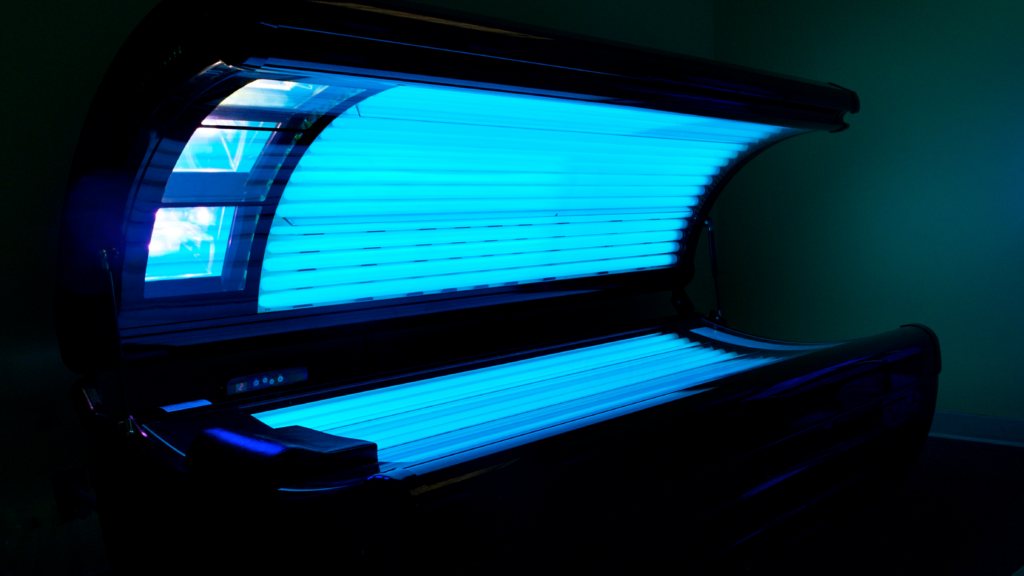
Despite being classified as a Group 1 carcinogen by the World Health Organisation, sunbeds are used by approximately 6 million people in the UK, with almost half of them being 18-34-year-olds. The industry is governed mainly by the Sunbeds (Regulation) Act 2010, which prohibits use by under-18s and, in conjunction with other regulation, sets a maximum UV output equivalent to the midday Mediterranean sun.
Gen Z’s “manifesto for change” calls beauty brands to take action on sustainability

When it comes to sustainability, younger generations tend to be labelled either careless or activists. A recent survey by the British Beauty Council, and UNiDAYS (3,533 UK students from January 5th to 7th, 2026) revealed that students have a strong interest in being conscientious about beauty consumption.
British Beauty Council welcomes landmark report calling for urgent SME reform

The House of Commons Business and Trade Committee, a cross-party group of MPs tasked with scrutinising the policy, spending, and administration of the Department for Business and Trade in Westminster, has today published a comprehensive roadmap for the future of UK small businesses. It echoes many of the urgent calls for reform championed by the British Beauty Council, says Victoria Brownlie MBE, the Council’s Chief Policy and Sustainability Officer.
The British Beauty Council hosts parliamentary drop-in showcasing industry impact
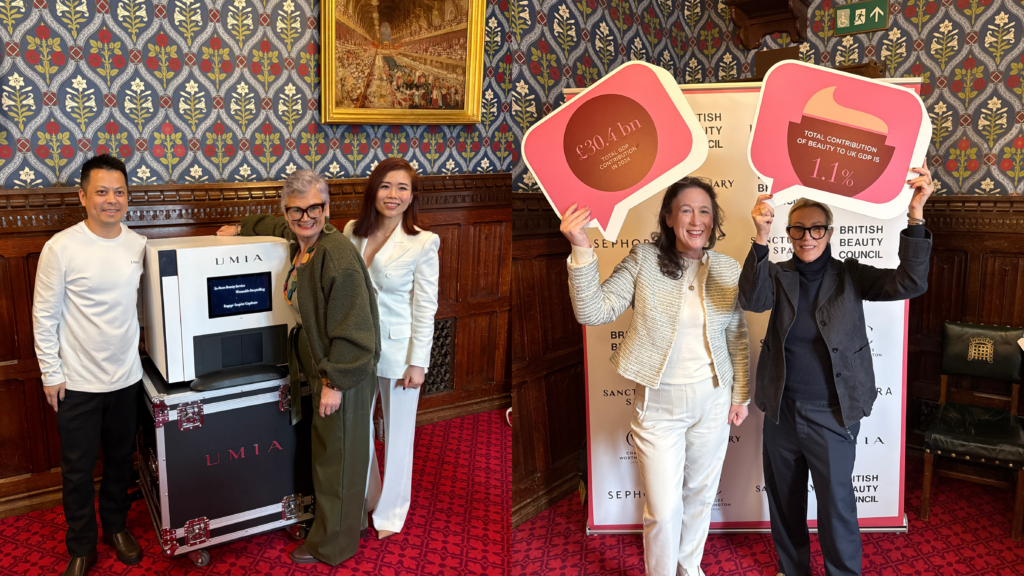
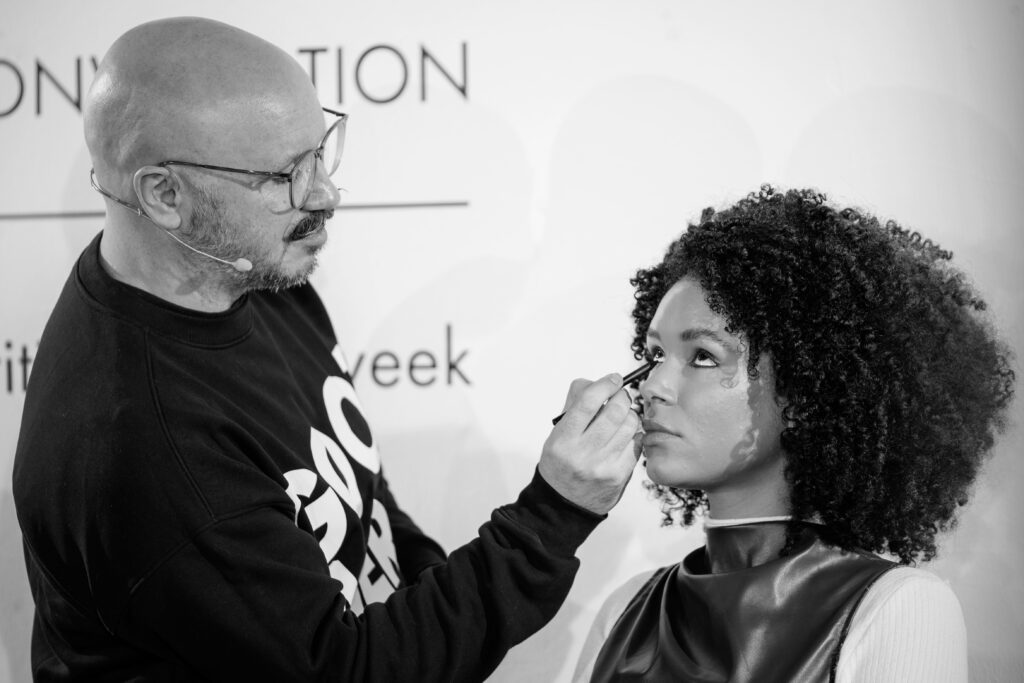
On the 26th of January, the British Beauty Council hosted its first parliamentary drop-in of 2026. The event was aimed at showcasing the economic and cultural contribution the beauty industry makes to the UK and to give attendees an experiential demonstration of hair and beauty services, alongside key industry insights. Hosted with Carolyn Harris MP, Chair of the Beauty and Wellbeing APPG, the drop-in saw record attendance, with 40 MPs and one peer present, with a further 28 MPs represented by their staff.
2026 beauty trends: bright blues, red light-stretching, plumping and football fever

Trends change as quickly as you can say ‘beauty’ these days, with brands having to be increasingly reactive to viral TikToks and equally as conscious of the slow cultural shifts.
Misinformation a growing concern in young people according to new Curriculum Assessment Review
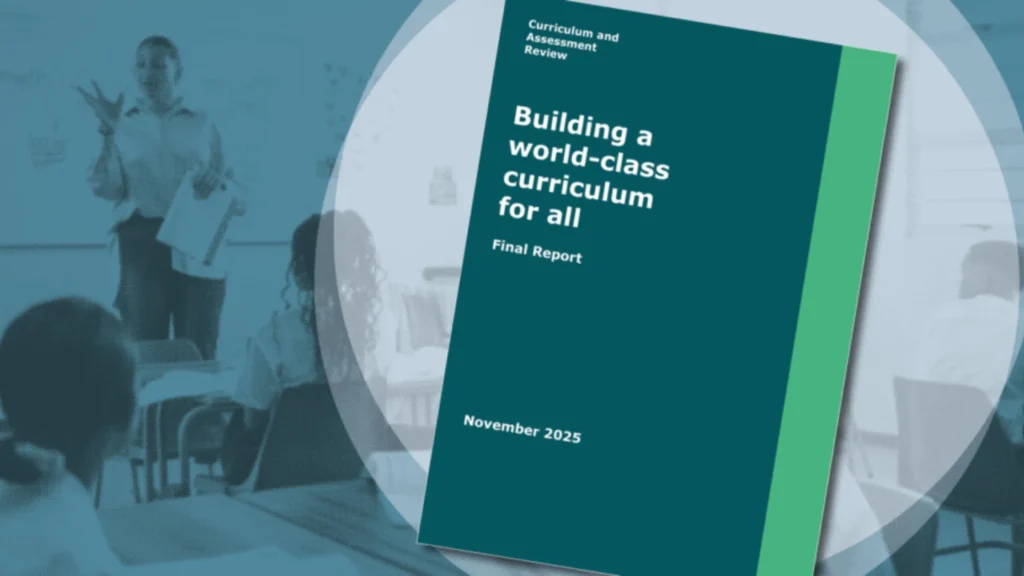
Earlier this month, the Department for Education published its Curriculum Assessment Review (CAR), calling for better education on misinformation, as well as climate and sustainability in the face of changing digital trends and prevalence of Artificial Intelligence (AI).