GLP-1 weight loss medications have moved beyond the clinic. What began as a treatment for type 2 diabetes has become a significant commercial and cultural disruptor, reshaping not just how people manage their weight, but how they think about wellness, beauty, and self-care.
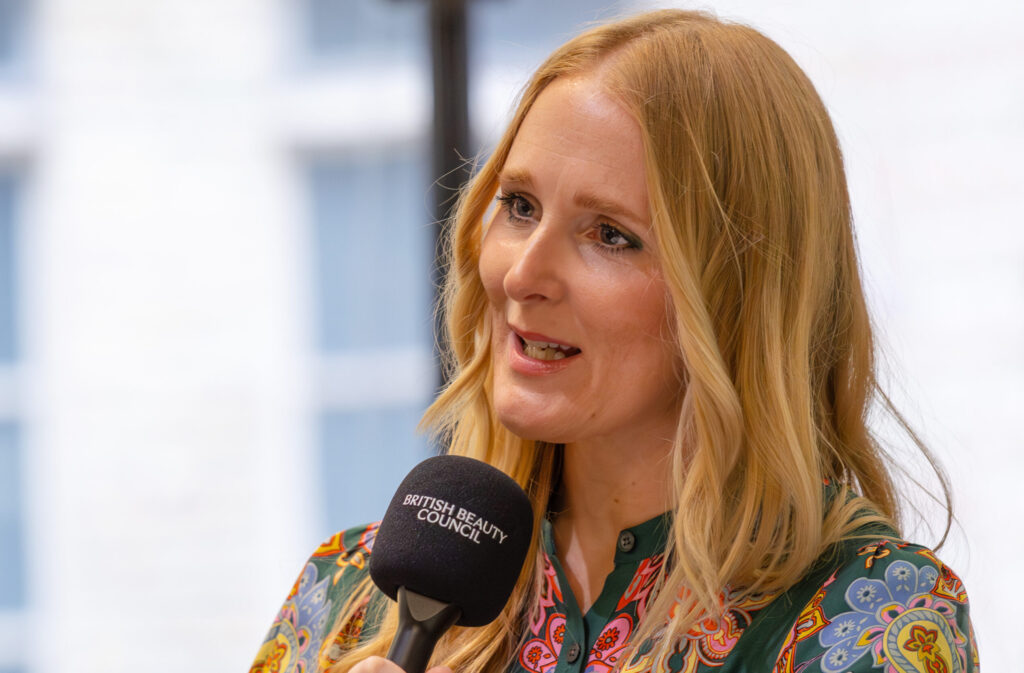
At a breakfast briefing co-hosted by insights patron WGSN and the British Beauty Council, Pia Fisher, WGSN’s Senior Beauty Strategist presented the impact GLP-1’s will have on the beauty industry. Sharing implications and opportunities across different categories and providing actionable foresight to future-proof portfolios, she makes clear this is no longer just a health trend, but a structural shift that beauty brands cannot afford to ignore.
A Growth Market
Uptake of GLP-1 drugs in the UK has nearly doubled over the past year, with current usage now sitting at around one in ten consumers, concentrated particularly among women in midlife. And Fisher reiterated we’re a long way from peak adoption yet. One in five UK users say they intend to use these medications for life, while projections suggest 30 million Americans will be on GLP-1s by 2030. Markets in India and China are also accelerating rapidly, with China expected to become the largest market by the end of the decade.
What’s also striking is how this uptake is redistributing consumer spending. As appetite suppression reduces food and grocery purchases, users are redirecting their budgets toward beauty, wellness, and fitness—creating new opportunities for brands positioned to meet their evolving needs.
New Bodies, New Concerns
Rapid weight loss brings a new set of appearance concerns that beauty brands are only beginning to address. Terms like “Ozempic face” have entered the cultural lexicon, reflecting how visible these changes have become. According to a McKinsey study, 82% of GLP-1 users express concern about loose skin and loss of firmness—making this one of the most pressing unmet needs in the category.
But the concerns extend beyond the obvious. Users are documenting changes in unexpected areas such as arms, calves, even hands and feet, creating demand for zone-specific care that restores plumpness and hydration. Body care is evolving from a maintenance category into a tool for supporting bodies in flux, both physically and emotionally.
This demand is also driving innovation in device-led body care. Think LED treatments, micro-current tools that work on lymphatic drainage and fascia release, as well as ritualised routines that incorporate mood-boosting scents and multi-sensorial textures. The message was clear: brands that move beyond just physical recovery to support emotional adjustment and self-connection will resonate strongly with this audience.
The Wellness Era
The connection between inner health and outer beauty has never been closer. As users shift from initial weight loss to sustained vitality, they’re seeking solutions for longer-term side effects: energy depletion, muscle loss, dehydration, and hair thinning.
Supplements are seeing particular growth, with Fisher citing ‘collagen stacking’, the of layering of collagen-boosting supplements and shots with skincare and tools. She also noted Holland & Barrett reported a 163% increase in creatine demand, reflecting a broader shift toward functional nutrition that supports strength and recovery.
Muscle, it was noted, is becoming a status symbol. GLP-1 medications don’t come without trade-offs, and muscle loss is a critical concern. Brands that focus on not just how the body looks, but how it performs and recovers stand to gain. She cites beauty brands that are reframing “ath-beauty” as a functional care to support bodies in motion, strength building and recovery.
Clinical-Grade Skincare and Tools
GLP-1-driven changes are pushing skincare toward “tweakment-grade” formulations. Users experiencing skin laxity and volume loss are demanding tightening technologies and clinical-grade actives – NAD, exosomes, PDRN – alongside devices like electrical muscle stimulation (EMS) and micro-current that deliver clinic-inspired results at home.
The shift is from short-term fixes to long-term metabolic skin support. As GLP-1s alter cellular metabolism, skincare innovation is moving toward energy restoration with actives like NMN and NAD that aim to boost cellular function and support skin structure over time.
Hair Loss Takes Centre Stage
With views for #GLP1hairloss up 665% on TikTok, hair thinning has emerged as one of the most discussed side effects. With signs that hair care is following skincare’s lead in adopting clinical approaches—scalp treatments that mirror clinical grade facial skin care, and a growing role for dermatologists and trichologists in the beauty conversation.
Beyond addressing the physical symptoms, brands were urged to acknowledge the psychological impact. Hair loss can be deeply distressing, and products that combine efficacy with emotional sensitivity will stand out.
Fragrance Reimagined
Perhaps the most unexpected category impact discussed was fragrance. As food intake reduces, users are seeking alternative ways to experience pleasure and indulgence—and scent is filling that gap.
“Neo-gourmand” fragrances, layering the traditional sweetness with richer depths, are emerging as an alternative form of indulgence. At the other end of the scent spectrum, some users experiencing heightened sensitivity are gravitating toward low-diffusion formats and quieter scent profiles. Anti-nausea considerations are driving interest in gentler formulations —an insight that also applies to other groups including pregnant consumers and those undergoing cancer treatment.
It’s a new category of “no fragrance fragrance”, with scents designed for sensitivity that can be dialled up or down according to how someone is feeling on any given day.
The Fauxzempic Counter-Trend
Not everyone is on board the GLP-1 journey, notes Fisher. A counter-movement is emerging among those who reject or are priced out of GLP-1 medications, seeking slower, more balanced pathways to health. Practices like dry brushing, ear seeding, and traditional eastern medicine approaches are gaining traction among consumers who want to treat the body as a holistic system.
While these alternatives won’t deliver the same results, they represent an important segment that beauty brands should not overlook. Future-proofing, as WGSN’s Pia Fisher has noted, means balancing quick-fix aesthetics with sustained, systems-based wellbeing.
The GLP-1 Era is only just getting started
GLP-1 medications represent a fundamental shift in how consumers relate to their bodies, their health, and their sense of self. For beauty brands, the challenge and the opportunity is to meet people where they are, supporting them through transformation with products that deliver both results and emotional resonance.
If you missed the WGSN presentation, Beauty in the Age of GLP-1s, in partnership with the British Beauty Council, now’s your chance to unlock the insights. Click here.