Forever Chemicals or PFA’s have caused much debate on their potential environmental and health risks, and in response the Government has published the UK’s first ever plan to tackle these chemicals. The PFAS Plan attempts to strike a balance between addressing public health and environmental concerns and not undermining economic growth and innovation.
Unlike France, which earlier in the year became the first EU country to fully ban the use of PFAS in cosmetics, the UK is not (yet) looking at a full ban. Instead, the Government is focusing on managing risks, supporting the transition to safer alternatives and reducing ongoing exposure.
So what are PFAS?
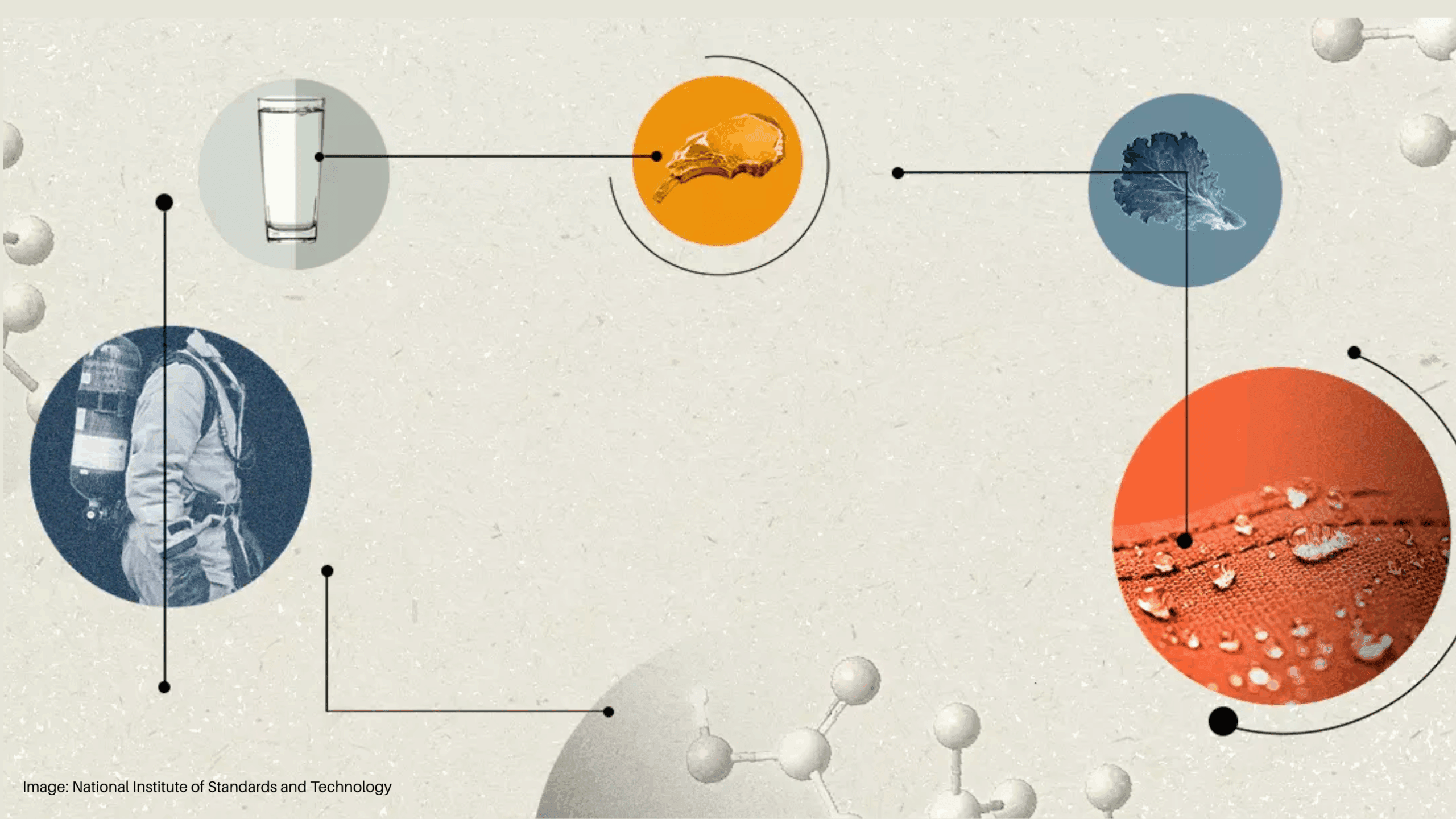
PFAS stands for per- and poly-fluoroalkyl substances – a large family of over 4,500 chemicals used in a variety of industries. PFAS have vastly different properties but are generally valued for their resistance to heat, oil and water.
The motivation behind the move to ‘tackle’ PFAS is the length of time they take to break down. The possibility of molecules remaining in the environment for centuries has led to concerns around potential health risks and irreversible environmental contamination.
What does this spell for the UK beauty industry?
Brands and manufacturers across the sector have been leading the way in voluntarily phasing PFAS out of beauty products, meaning most are already ahead of the curve.
While PFAS have historically been used in skincare and makeup products, their use in the UK has always been limited. A 2020 study by the Cosmetic, Toiletry and Perfumery Association (CTPA) found that only 1.5% of their members used PFAS as ingredients.
In 2023, many of the most well-known brands across the industry, such as L’Oreal and Estee Lauder Companies, made a voluntary commitment to phase out the use of PFAS as “intentional ingredients” by the start of 2026, in line with recommendations issued by the CTPA and Cosmetics Europe.
It, therefore, seems that while the Government’s PFAS Plan is significant for other industries, the beauty industry and cosmetics sector is one step ahead and will therefore be minimally affected.
Victoria Brownlie MBE, Chief of Policy & Sustainability at the British Beauty Council, comments “The Council very much welcomes the Plan as a positive step in environmental sustainability and encourages any companies yet to phase out PFAS to follow the wider beauty industry’s lead and begin this important transition.”