
The Body Shop has been bobbing on beauty’s radar over recent years thanks to highstreet re-vamps, team changes and an acquisition. As the brand joins the British Beauty Council as a Patron, we’ve gotten to the bottom of how the brand’s staying fresh. Seemingly, the answer is staying true to your principles…
Here, Alia Sirina Hawa – who was appointed as Chief Commercial & Brand Officer last year – charts the brand’s longevity, what’s new and where it’s going:
- The Body Shop has been a staple of UK high streets for the last 50 years. What do you believe has led to this sustained presence and consumer support?
The Body Shop was born out of a rebellion against an outdated beauty industry built on unrealistic standards and narrow definitions of beauty. Anita Roddick refused to tell women that their cellulite was the biggest problem in the world, and that kind of boldness helped the brand stand out from the very beginning.
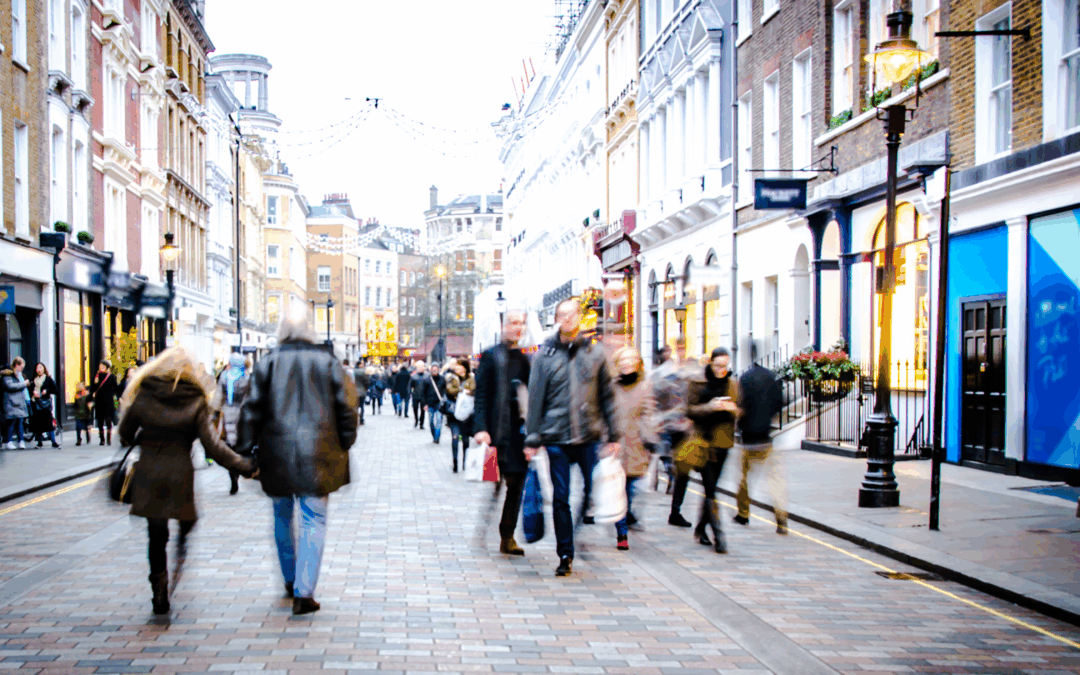
But its sustained presence as a retailer goes deeper than that. For five decades, our stores have been places of connection – spaces where people felt welcomed, seen, and able to be themselves. Generations of British consumers have grown up with The Body Shop; for many, it was the very first beauty brand they ever used. That creates a unique emotional bond and a sense of community that has endured.
With that comes a responsibility: to nurture this relationship and ensure The Body Shop remains a brand for everyone. When people step into our stores, they should feel no judgement – only an invitation to indulge in sensorial, uplifting products at a fair and accessible price. This has always been one of Anita’s founding principles: that beauty should be joyful, ethical, and never make people feel “robbed” or excluded.
- As sustainability has become increasingly mainstream, how has The Body Shop continued to carve out a unique space in the market?
Sustainability has been part of The Body Shop’s DNA since the very beginning. Anita Roddick founded the brand in direct response to the beauty industry’s lack of social responsibility – refusing to test on animals, insisting on fair pricing so beauty could be accessible to everyone, and championing ethical sourcing long before it became mainstream. Her activism helped shift the entire industry and contributed to the ban on animal testing in Europe.
These commitments remain central to who we are today. Some of our Community Fair Trade partnerships have been in place for more than 30 years, while others are newer, such as our organic olive oil from Italy. We continually review our ingredients, sourcing routes, packaging materials, and store operations to reduce our impact and ensure our practices reflect our values.
Sustainability isn’t a project with an end point – it’s a continuous journey. Joining the British Beauty Council as patrons allows us to amplify our impact and collaborate with the wider industry. The Body Shop has always been a pioneer in ethical beauty, and our role now is to keep pushing the industry forward with authenticity and purpose.
- How does the brand plan to keep its links to advocacy strong as it enters its 50th year?
As we enter our 50th year, advocacy remains at the heart of who we are. We have ambitious plans that ladder up to three core areas: empowering women and girls, supporting our Community Fair Trade partners, and championing self-confidence and joy. We are currently refining these pillars, identifying the charities, NGOs, and partners we want to support, and setting clear objectives that reflect the issues closest to our values.
The Body Shop is now in a position of renewed stability and growth, which gives us the opportunity to make a meaningful difference once again. As part of this, we are exploring ways to strengthen our long-term commitment to activism and revisiting how we amplify our charitable impact. We’ll be announcing several exciting initiatives as part of our 50th-anniversary celebrations, so there is much more to come.
- The Body Shop returned to profit in 2024. What drove this success?
Since being acquired by Auréa in 2024, The Body Shop has focused on stabilising the business and rejuvenating the brand. We strengthened our 2026 marketing plan, clarified our positioning, and re-evaluated our channel and distribution model so we can be found where consumers are shopping today – including Amazon, online marketplaces, and new digital channels. We also sharpened our geographic priorities, with a clear ambition to re-establish the brand in the UK and grow again as the number-one British beauty brand.
At the same time, our product innovation pipeline is back at full speed, with ambitious product launches lining up for the year ahead. The love for the brand has never faded, and our customer base has remained incredibly loyal. Even in an increasingly digital world, we continue to invest in people and strengthen our high-street presence. Ultimately, The Body Shop is as relevant today as it has ever been – and entering our 50th year, we have every reason to feel optimistic.
- Is product innovation in the plans for next year? What is the The Body Shop team excited about in this area?
Absolutely! Our NPD pipeline is very exciting this year. At the end of January, we are bringing back a real 90s icon – our most requested fragrance, returning by customer demand. I can’t reveal much more yet, other than that it is a scent that captured the fun, boldness, and elegance of that decade. We are really tapping into the joyful 90s nostalgia, so stay tuned! Later in the year, we will unveil exciting news around our best-selling Body Butters, as well as gorgeous new lip products, a new Glow range for the body and, of course, beautiful gifts and limited-edition scents for Mother’s Day and Christmas.
- Why is being part of the British beauty industry so important, and how will our collaboration reinforce this?
The Body Shop is once again in a period of sustained growth, and as we look to the future, we are eager to play a bigger part within the UK beauty industry. We are passionate about the impact we can have on people’s lives as well as our planet; we are convinced that by working together we can accomplish much more. The British Beauty Council has been doing wonderful work bringing the industry together and working with the government to recognise the impact of our sector.