Entering the U.S. Market: Key Considerations for Trade and Export

Given its size, dynamism, appetite for premium international products and strong retail infrastructure, the US is one of the most lucrative markets for British beauty brands. However, businesses wishing to explore their US prospects should be aware of key recent regulatory and trade changes. The chief amongst these is Modernization of Cosmetics Regulation Act 2022 (MoCRA), which constituted a significant overhaul to the way imported cosmetics are treated. Prospective exporters need to remain aware of the evolving tariff environment under the current Trump presidency.
Navigating Trade and Export Regulations in the Middle East

The Middle East and particularly the Gulf Cooperation Council (GCC) countries offer great export and growth opportunities for UK beauty firms. The Middle East and North Africa (MENA) region’s beauty market was worth circa $60 billion in 2025, although its growth and value are likely to now be significantly impacted by the events in the region. Brands should be realistic about the risks and operational challenges that such disruption brings.
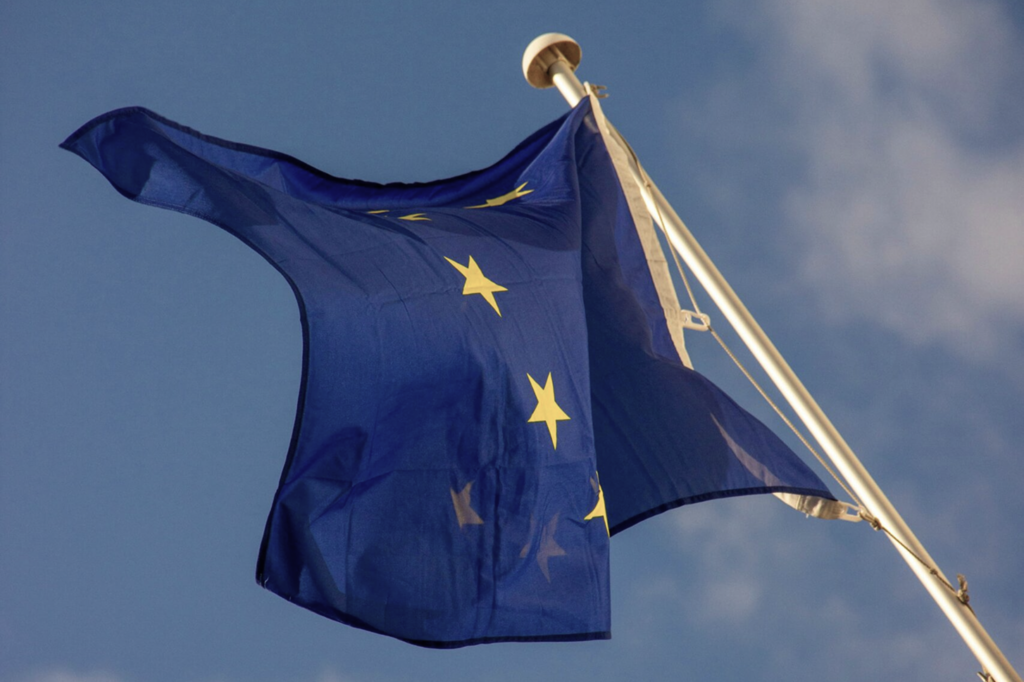
The Trade Guide: Selling in the European Union

Despite Brexit, the EU remains the most natural and accessible export market for British beauty. With over 440 million consumers and an established appetite for British brands, it presents British businesses with significant growth and outreach opportunities. 70% of UK beauty product exports in 2024 were purchased by EEA countries, with Ireland being the largest single buyer at £625 million.
A landmark moment for our industry: New SIC codes for hair, beauty and spa are announced

After seven years of determined lobbying, the British Beauty Council has secured the first change to the beauty industry’s Standard Industrial Classification (SIC) codes since 1948. A milestone that defines and legitimises the different professional hair, beauty and spa services sectors at government level.
Exporting Beauty: Your Need To Know Trade Guide

The UK beauty industry is a powerhouse contributing over £30 billion to the UK economy, over £22 billion of which is accounted for by personal care goods. According to our Value of Beauty Report, produced in collaboration with Oxford Economics, exports by UK beauty and personal care manufacturers totalled £4.3 billion in 2024, making up 1.3% of UK good exports.
The Business Rates Overhaul: what beauty businesses need to know
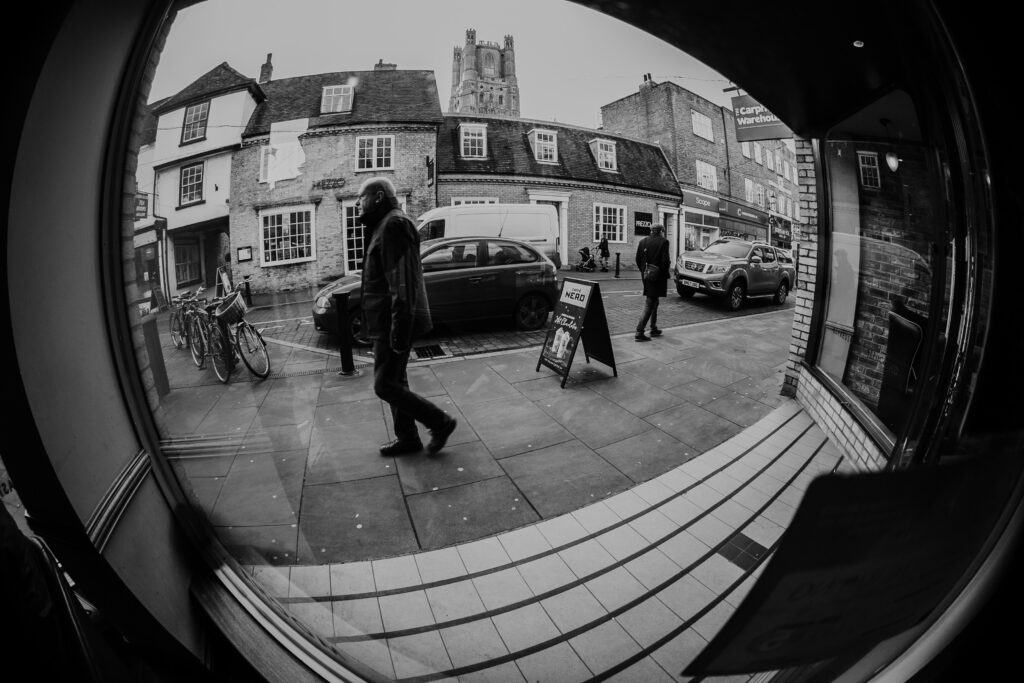
From 1 April 2026, one of the most significant changes to the UK’s business rates system in decades will come into force. For many high-street businesses — including salons, spas and beauty retailers — the changes will reshape how rates are calculated and what support is available.
Thinking of Exporting to China? Start With This Guide

China has a strong consumer base with interest in premium skincare and appetite for Western brands as demonstrated at the recent launch of the British Beauty Festival in Shanghai. The Chinese market presents great opportunities for British beauty brands with the Department for Business and Trade valuing this at £60 billion. However, the regulatory environment for cosmetics is quite dynamic and requires careful consideration.
Exporting to India? Read This Guide On What You Need Know

India is a highly attractive market for UK beauty, with a growing middle class with increasing disposable income. UK exporters have seen rapid recent rises in Indian sales. The 2025 Comprehensive Economic and Trade Agreement signed between the UK and India makes this an even better time to consider entering the Indian market. Although still awaiting ratification, the deal is projected to increase bilateral trade between the two countries by £25.5 billion by 2040.
British Beauty Council welcomes landmark report calling for urgent SME reform

The House of Commons Business and Trade Committee, a cross-party group of MPs tasked with scrutinising the policy, spending, and administration of the Department for Business and Trade in Westminster, has today published a comprehensive roadmap for the future of UK small businesses. It echoes many of the urgent calls for reform championed by the British Beauty Council, says Victoria Brownlie MBE, the Council’s Chief Policy and Sustainability Officer.
British Beauty Council stands up for beauty businesses on the high street

Hair, beauty and nail businesses are a cornerstone of the British high street, consistently accounting for the top three retail categories on our high streets (according to the Local Data Company) and generating essential footfall for other businesses. “As a sector of 266,000 workers, the majority of whom are women and small business owners, hair and beauty salons provide equal social value to hospitality and must be granted the same level of protection as the pubs,” says Millie Kendall, CEO of the British Beauty Council, who wrote to Rachel Reeves, Chancellor of the Exchequer. “On behalf of the industry, I raised concerns about the significant impact of the recent changes to business rates for hair and beauty salons up and down the country, following our contribution to the consultation. I urged an immediate extension of the protection being shown to the hospitality sector. This is vital to protect the thousands of hair and beauty SMEs that keep our high streets vibrant.”