
British Beauty Council Welcomes Scotland’s Landmark Legislation on Aesthetics

For years, The Council has championed the necessity of rigorous standards around aesthetics in order to professionalise the sector, with this legislation representing a definitive step toward raising the reputation of the industry and safeguarding the public.
This Bill introduces long-overdue regulations for high-risk non-surgical procedures, including Botulinum Toxin, dermal fillers, and other advanced aesthetic treatments. By requiring these procedures to be performed by or under the supervision of designated healthcare professionals within registered, regulated premises, Scotland is setting a high bar for clinical excellence.
The Business Rates Overhaul: what beauty businesses need to know
From 1 April 2026, one of the most significant changes to the UK’s business rates system in decades will come into force. For many high-street businesses — including salons, spas and beauty retailers — the changes will reshape how rates are calculated and what support is available.
The Future of Beauty Employment: Have Your Say on Employment Rights

Following the passage of the landmark Employment Rights Act (ERA) 2025, the most significant modernisation of workers’ rights in a generation, the Government has officially opened five key consultations.
From salon owners to retailers and brand headquarters to therapists, these changes to employment rights will touch every sector of the beauty industry. More than just a legislative update, it is your opportunity to ensure the unique needs of businesses operating in our sector are heard, before these rules are formalised.
British Beauty Council recommendations are included in Women and Equalities Cosmetic Procedures Report

The British Beauty Council’s recommendation for a regulated aesthetics industry looks to be one step closer as The Women and Equalities Committee publishes its 11th Report on Cosmetic Procedures.
The Government publishes its PFAS Plan to tackle ‘forever chemicals’
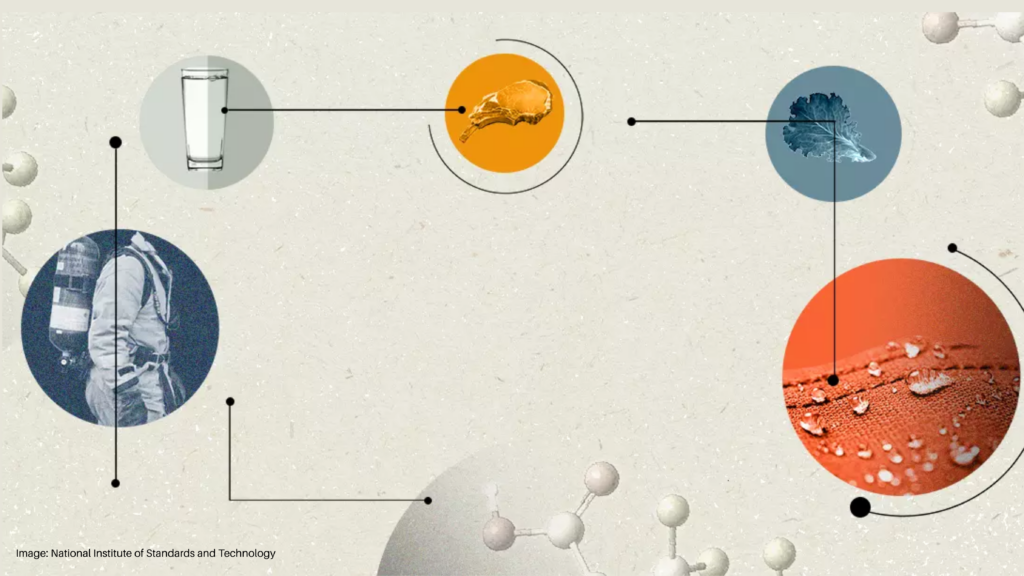
Forever Chemicals or PFA’s have caused much debate on their potential environmental and health risks, and in response the Government has published the UK’s first ever plan to tackle these chemicals. The PFAS Plan attempts to strike a balance between addressing public health and environmental concerns and not undermining economic growth and innovation.
British Beauty Council stands up for beauty businesses on the high street

Hair, beauty and nail businesses are a cornerstone of the British high street, consistently accounting for the top three retail categories on our high streets (according to the Local Data Company) and generating essential footfall for other businesses. “As a sector of 266,000 workers, the majority of whom are women and small business owners, hair and beauty salons provide equal social value to hospitality and must be granted the same level of protection as the pubs,” says Millie Kendall, CEO of the British Beauty Council, who wrote to Rachel Reeves, Chancellor of the Exchequer. “On behalf of the industry, I raised concerns about the significant impact of the recent changes to business rates for hair and beauty salons up and down the country, following our contribution to the consultation. I urged an immediate extension of the protection being shown to the hospitality sector. This is vital to protect the thousands of hair and beauty SMEs that keep our high streets vibrant.”
Income Tax Goes Digital – Are you Ready?

This will apply to small business owners, salon owners, hairdressers, beauty professionals, and freelancers, whose gross income from self-employment (and/or property) exceeds £50,000, shaping how they run their business and finances.
Scotland takes a step toward regulating aesthetic treatments

For years, the British Beauty Council has campaigned for a regulated landscape in aesthetics that prioritises public safety. Last year, the Scottish Government published ‘The Non-surgical Procedures and Functions of Medical Reviewers (Scotland) Bill’, leapfrogging the UK Government in its commitment to tackling the unregulated landscape of invasive non-medical treatments and procedures.
The British Beauty Council expands its stakeholder network with strategic new appointments

The Council’s work is supported and developed in partnership with an influential network of stakeholders who drive the Council’s strategic aims. New appointments for 2026 include…
Tax relief on charity donations: New legislation set to make goods donations VAT-free
This tax relief on charity donations will take effect from April 1st, 2026. Currently, businesses are required to pay VAT when donating items or giving gifts to charities for free. Although, donated resale goods are zero-rated.