
From Recognition to Reform: How the British Beauty Council Is Driving Change for Hair & Barbering

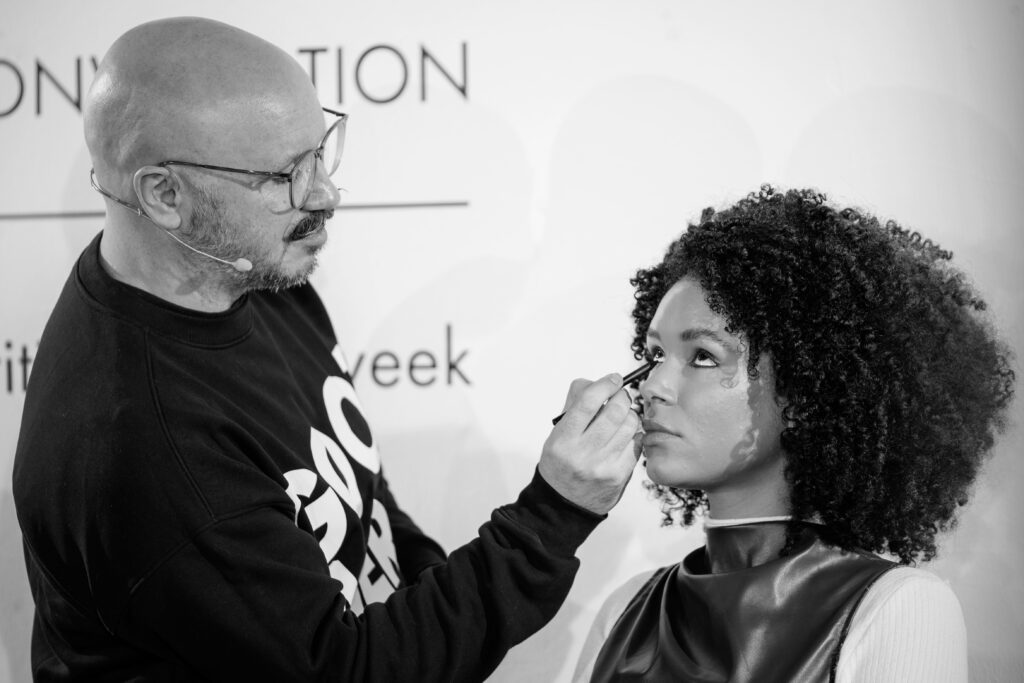
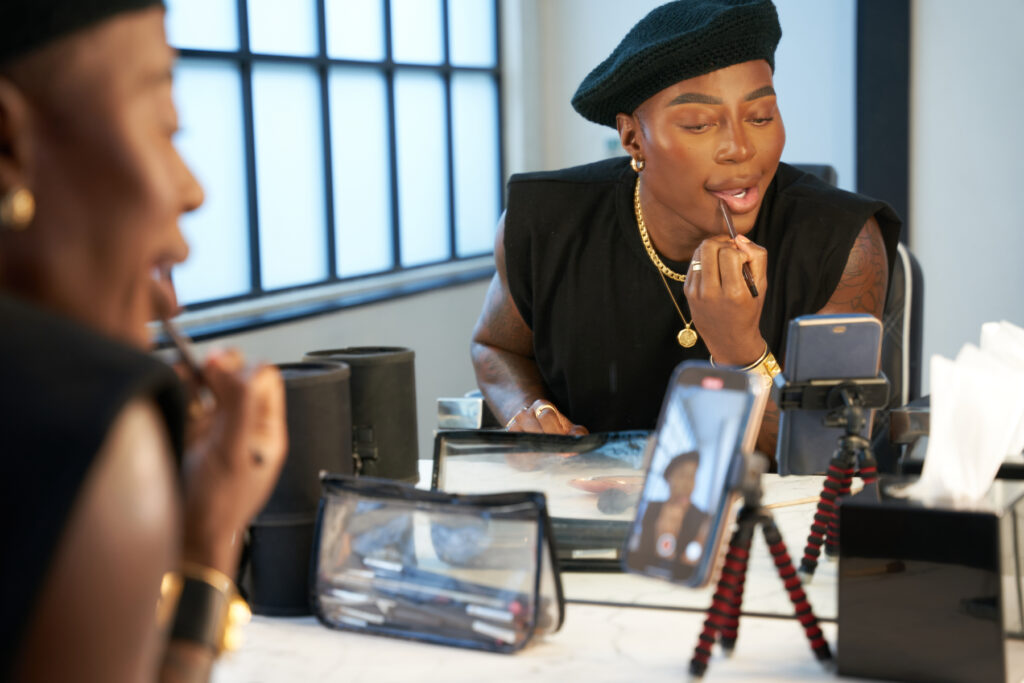
At its inception in 2019, the British Beauty Council pledged to focus on hair and barbering. In a world of fast-paced change in technology, business practices, and evolving economic and legal systems, we need a champion to represent our industry at government level. I believe the British Beauty Council has proved to be just this.
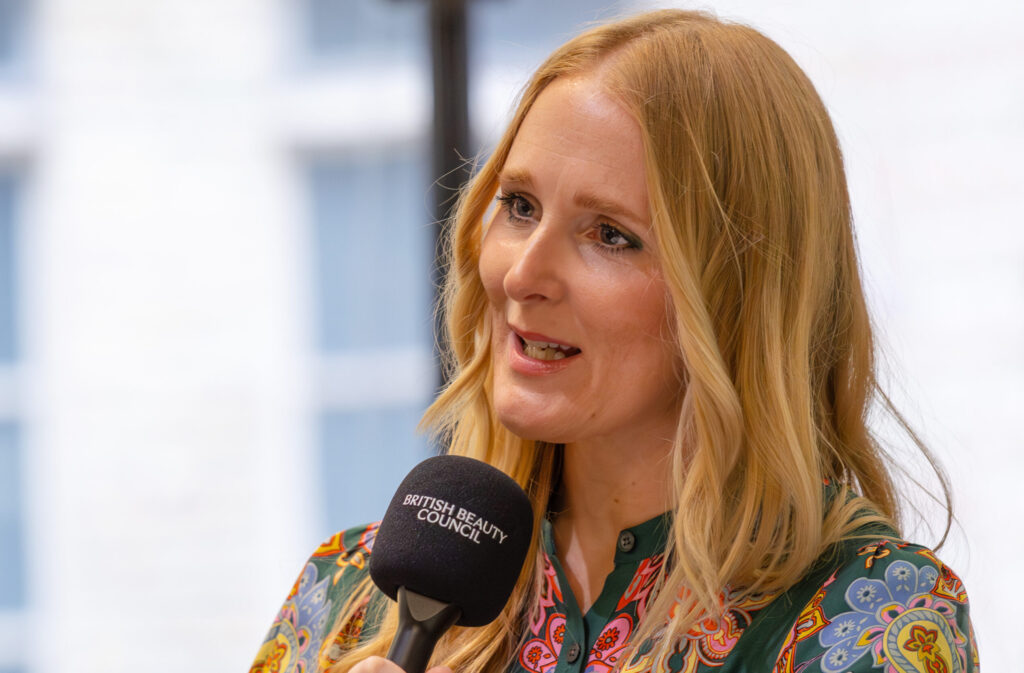
Tatyana Heard discusses hair equity, wellness and representation in women’s rugby
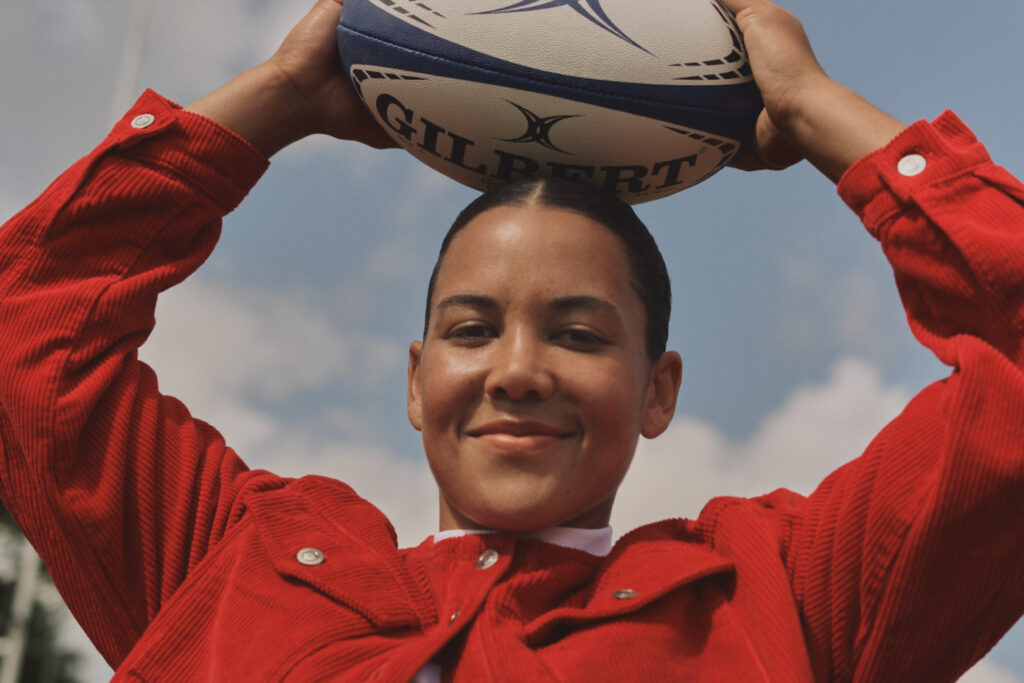
As women’s sport continues to rise, conversations around representation, identity and wellbeing are increasingly important – both on and off the pitch. Last year, during British Beauty Week, Tatyana Heard was announced as the first Sport Ambassador for the British Beauty Council, highlighting the evolving relationship between beauty and sport.
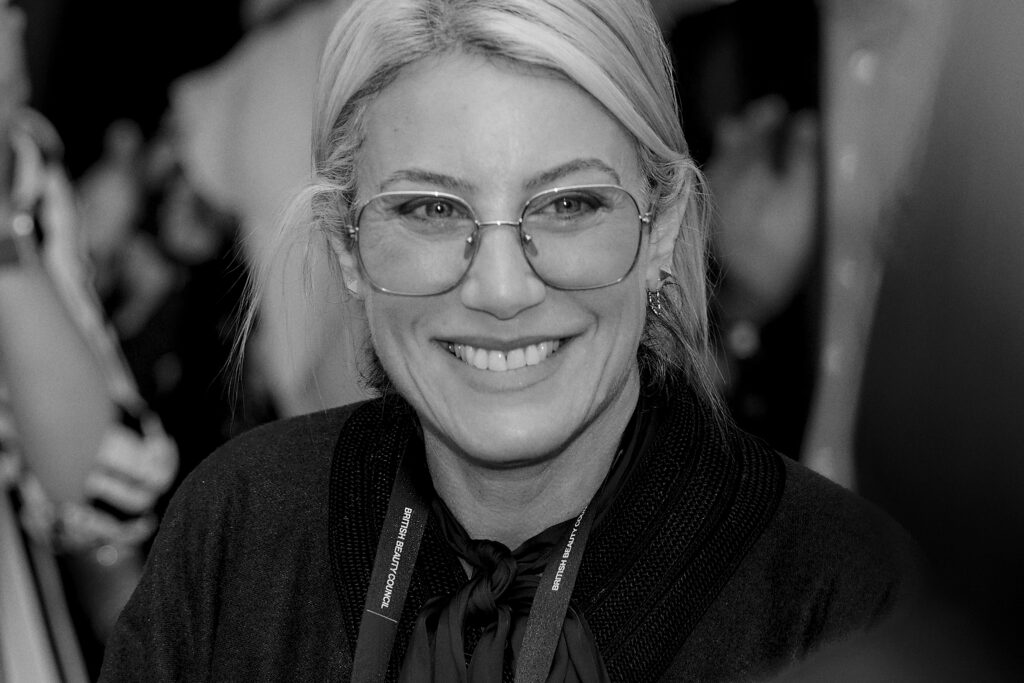
Anabel Kingsley of Philip Kingsley: ‘Beauty’s Real Value Now Lies in Education, Not Just Product’

A consultant trichologist by training, Anabel Kingsley, is the brand owner and president of Philip Kingsley, the renowned British hair and scalp care company founded by her father in 1965. She is an industry-leading authority on hair and scalp health, a reputation born from her deep commitment to supporting those experiencing hair and scalp concerns. At the heart of her work is the belief that true hair health is rooted in a holistic approach. Anabel passionately advocates for a greater understanding of how lifestyle, genetics, health, hormones, and nutrition, shape the condition of our hair and scalp.
Hair Equity Milestone Reached as Training Standards Move Forward: Every Hair Type, Every Student, Every Salon

The British Beauty Council’s Hair Equity Taskforce is calling on the UK Government to urgently update hairdressing and barbering qualifications to include mandatory training for textured and Afro hair: a change that would directly improve salon experiences for millions of people across the UK.
Rebuilding the talent pipeline: What can the Youth Guarantee deliver for beauty?

The UK Government has announced a £1 billion Youth Guarantee to help more young people into education, employment, or training. This follows growing concern in the industry about the sharp decline in apprenticeship starts—particularly among small and medium-sized businesses (SMEs).
A landmark moment for our industry: New SIC codes for hair, beauty and spa are announced

After seven years of determined lobbying, the British Beauty Council has secured the first change to the beauty industry’s Standard Industrial Classification (SIC) codes since 1948. A milestone that defines and legitimises the different professional hair, beauty and spa services sectors at government level.
The Sustainability Guide for Salons and Hair and Beauty Professionals

As the beauty industry navigates a pivotal shift toward greater environmental responsibility, the pressure is on for hair and beauty professionals to also play their part…
Beyond the salon: reimagining beauty careers for National Apprenticeship Week

The UK beauty industry is a multi-billion pound powerhouse built on service, creativity and innovation. As we enter National Apprenticeship Week, we’re speaking to Sue Fox, British Beauty Council Board Member and former President of Estée Lauder UK & Ireland to discuss the Government’s recent transition to the Growth and Skills Levy and how businesses big and small can get most value from apprenticeships.
The Great British Beauty Clean Up Partners with MYGroup
Returning on 2 March 2026, ‘The Great British Beauty Clean Up’ (GBBCU) is expanding its remit to further help businesses of all sizes to recycle those hard to dispose of items often used across our industry both by consumers, and professional service providers.
How will beauty and wellness develop in 2026?

Here, experts from Circana share their predictions in this space using data driven insights…
LED masks and Oura rings are becoming as commonplace in beauty routines as hyaluronic acids, cream cleansers and lip balms. According to Circana, the facial devices and tools category grew by +59.1% last year and 68% of consumers use a watch, ring, or wristband to monitor their health.