
How does the Council support local youth communities?
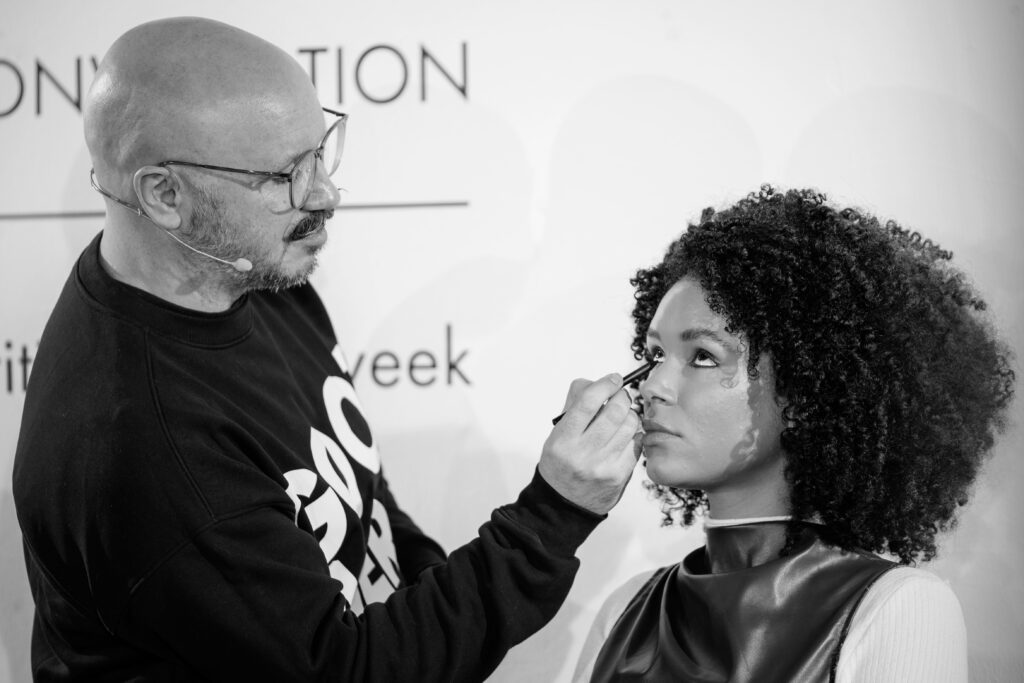
The Council partners with the West Youth Zone in White City, London, to deliver practical, interactive brand workshops for young people aged 14–16 . Following a successful nail workshop with Bio Sculpture, the programme is growing to include more skills-based sessions that build confidence, introduce career opportunities, and connect local communities with industry professionals.
What is the British Beauty Council x Futures for All Work Experience Programme?
This initiative introduces young people from all backgrounds to the diverse range of careers available within the beauty industry. Placements offer students invaluable insights into creative, technical, commercial, and operational roles across the sector.
What is the focus of the British Beauty Council’s Education agenda?
The 2026 Education agenda focuses on strengthening the future workforce by improving access to career opportunities, building stronger links between education and employers, and creating clearer pathways into the sector.
How much does British Beauty Council Membership cost?
Individual membership is free; learn more here. Patronage fees for businesses are tiered according to UK beauty turnover.
What are the benefits of joining the British Beauty Council?
Becoming a Patron of the British Beauty Council allows your business to play a unique role in future-proofing the industry while gaining access to high-level networking and insights
What steps should be taken if a consumer is unhappy with a procedure?
If there are concerns about a medical or aesthetic practice, salon, clinic, or individual, you should contact the Environmental Health Department at your local Council.
What is defined as a non-surgical cosmetic (aesthetic) procedure under the law?
The Health and Care Act defines a “cosmetic procedure” as one carried out for cosmetic purposes excluding surgical or dental procedures.
Are only medical professionals (such as Doctors, Nurses, or Dentists) allowed to offer non-surgical cosmetic (aesthetic) procedures?
No. Both medically and non-medically trained professionals can currently offer these treatments. However, a key aim of the new license is to ensure all practitioners meet a yet-to-be-defined minimum standard of training, education, and skill competence.
When will the new law regulating non-surgical cosmetic (aesthetic) procedures take effect?
The timeline for this has not yet been published. While the Government definitely intends to introduce legislation, the specific regulations will be subject to extensive engagement with stakeholders and public consultation.
Are consumers currently protected by law from “botched” non-surgical cosmetic procedures?
No. The law passed in April 2022 simply gives the UK Government powers to introduce a licensing scheme to regulate premises and practitioners. The details relating to this new licensing scheme have not been written or passed yet.