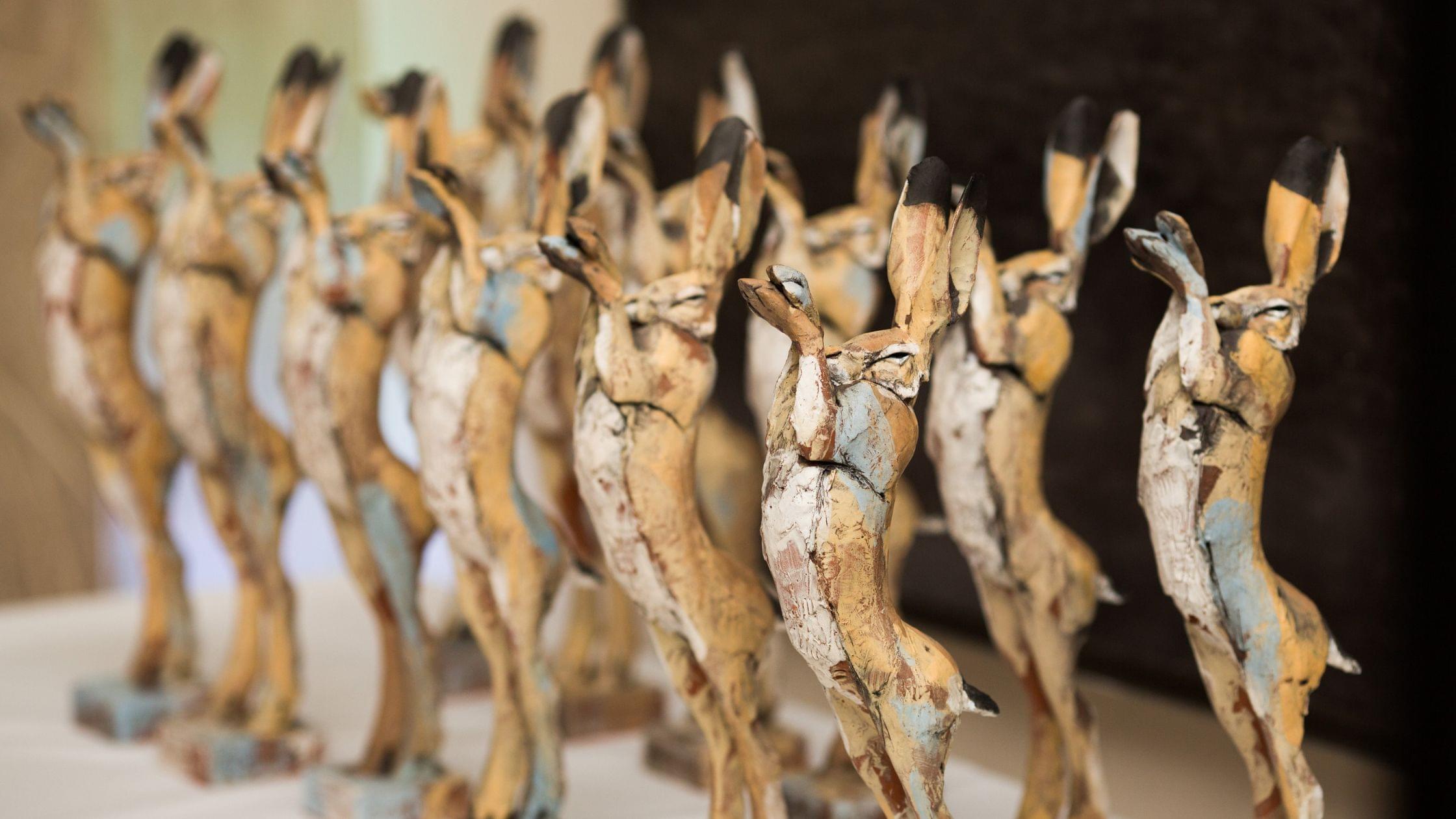
The Lush Prize rewards the very best scientists and campaigners around the world who are working towards an end to all testing of chemicals on animals, and is the biggest prize fund of its kind in the world.
Previous science winners include US universities specialising in organ-on-a-chip research, Chinese researchers using human stem cells in their tests, and UK projects focussing on computer modelling of chemical toxicity.
“There is increasing recognition and proactivity on the need to move away from animal models in favour of more human relevant technologies across the cosmetics, chemical and pharmaceutical sectors. However, regulatory agencies remain entrenched and animal tests are still required by governments around the world, despite growing concerns over their reliability.
This year we are particularly looking for projects which raise wider public awareness of the need for change, as well as for scientists who are developing new tests to address more complex safety issues”
– Rebecca Ram, Lush Prize science advisor
There are six main categories of award:
- Public Awareness – rewarding individuals or organisations raising public awareness of ongoing animal testing (£50,000). Part of the funds are provided to help finance a future project, in addition to rewarding past/current work.
- Science – individuals, research teams or institutions conducting work on relevant toxicity pathways (£50,000).
- Lobbying – rewarding the work of individuals, groups or organisations pushing for change, focusing on policy interventions promoting the use of non-animal methods (£50,000).
- Training – individuals, teams or organisations involved in training others in non-animal methods (£50,000).
- Young Researcher – young scientists (up to 35 years at the time of application) with a desire to fund the next stage of a career focussed on an animal-test free future (£10,000 each to 5 young researchers)
- Political Achievement – open to elected political officials in any country. This award recognises the essential work politicians do to create lasting legal change for animals and science. It is a non-financial award.
- Andrew Tyler Award – for outstanding contribution towards ending animal testing. It is a non-financial award for which nominations cannot be submitted (this is awarded at the discretion of the Lush Prize judging panel).
An additional prize, for which nominations cannot be submitted, is given at the discretion of the Lush Prize organisers and Judges:
- Black Box – offers, in any one year, the full £250,000 Lush Prize fund for projects most likely to lead to practical non-animal tests which could be accepted by regulators. So far, this has only been awarded in 2015.
Over its ten years of operation, Lush Prize has provided more than £2 million to support animal-free testing and campaigns around the world.
Nominations for the 2022 Lush Prize will close on Friday 17th June, click to find out more.