That age old question …

by | Oct 31, 2018

Advertising Standards Authority (ASA), the UK’s regulator of advertising, banned the use of the term ‘anti ageing’ in beauty advertising a decade ago, and Allure magazine ditched it across all of its content towards the end of last year.

Then earlier this year the Royal Society For Public Health (RSPH), in partnership with the Calouste Gulbenkian Foundation, called for the term to be banned across the cosmetics and beauty industry vernacular generally.

The good point proponents of this campaign make is that ‘anti-ageing’ paints the ageing process in a negative light, and insinuates that growing older is something to be ashamed of.

Most of us agree that this is not the the case, but could banning the term from our vocabulary completely be seen as a little draconian? Or even do-able?

While the term remains a key word in Google, there are many different ways to promote the notion of ‘better’ or ‘preserved’ in beauty and wellbeing without being specific as to what that actually means.

So where do you draw the line?
Related reads:

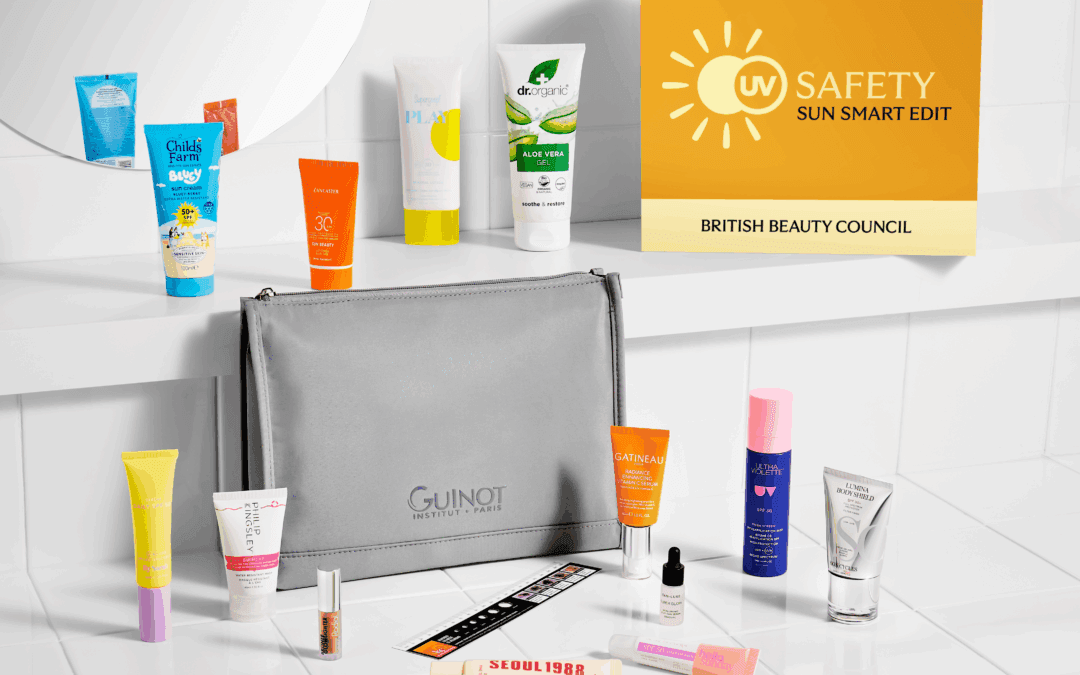
Introducing the UV Safety: Sun Smart Edit curated with Latest in Beauty

Introducing the UV Safety: Sun Smart Edit curated with Latest in Beauty

With the aim to support greater awareness around sun protection and encourage healthier, everyday habits when it comes to UV exposure, The British Beauty Council is pleased to introduce the UV Safety: Sun Smart Edit, curated in collaboration with Latest in Beauty.  ...

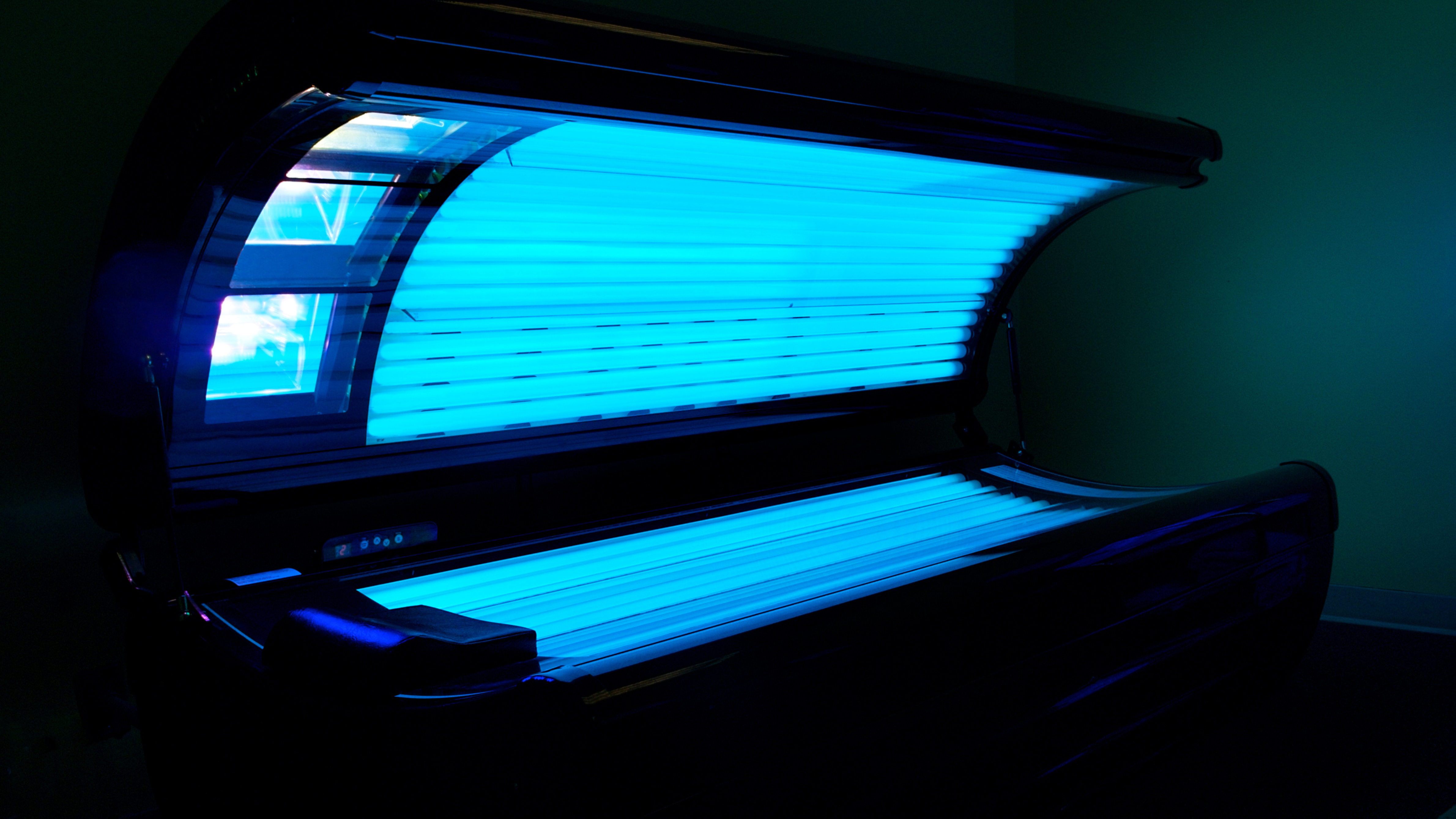
Have Your Say On The Future of Sunbed Regulation in England

Have Your Say On The Future of Sunbed Regulation in England

Despite being classified as a Group 1 carcinogen by the World Health Organisation, sunbeds are used by approximately 6 million people in the UK, with almost half of them being 18-34-year-olds. The industry is governed mainly by the Sunbeds (Regulation) Act 2010, which...

UV Safety – leading the conversation on a national strategy

UV Safety – leading the conversation on a national strategy

Rising cases in Melanoma mean that skin cancer is now the UK’s 5th most common cancer, with 17,500 new cases annually, according to Cancer Research UK. Yet, 86% of melanoma cases are preventable through simple measures like using SPF30+, making it one of the UK’s most...

Pin It on Pinterest

Share this on social: