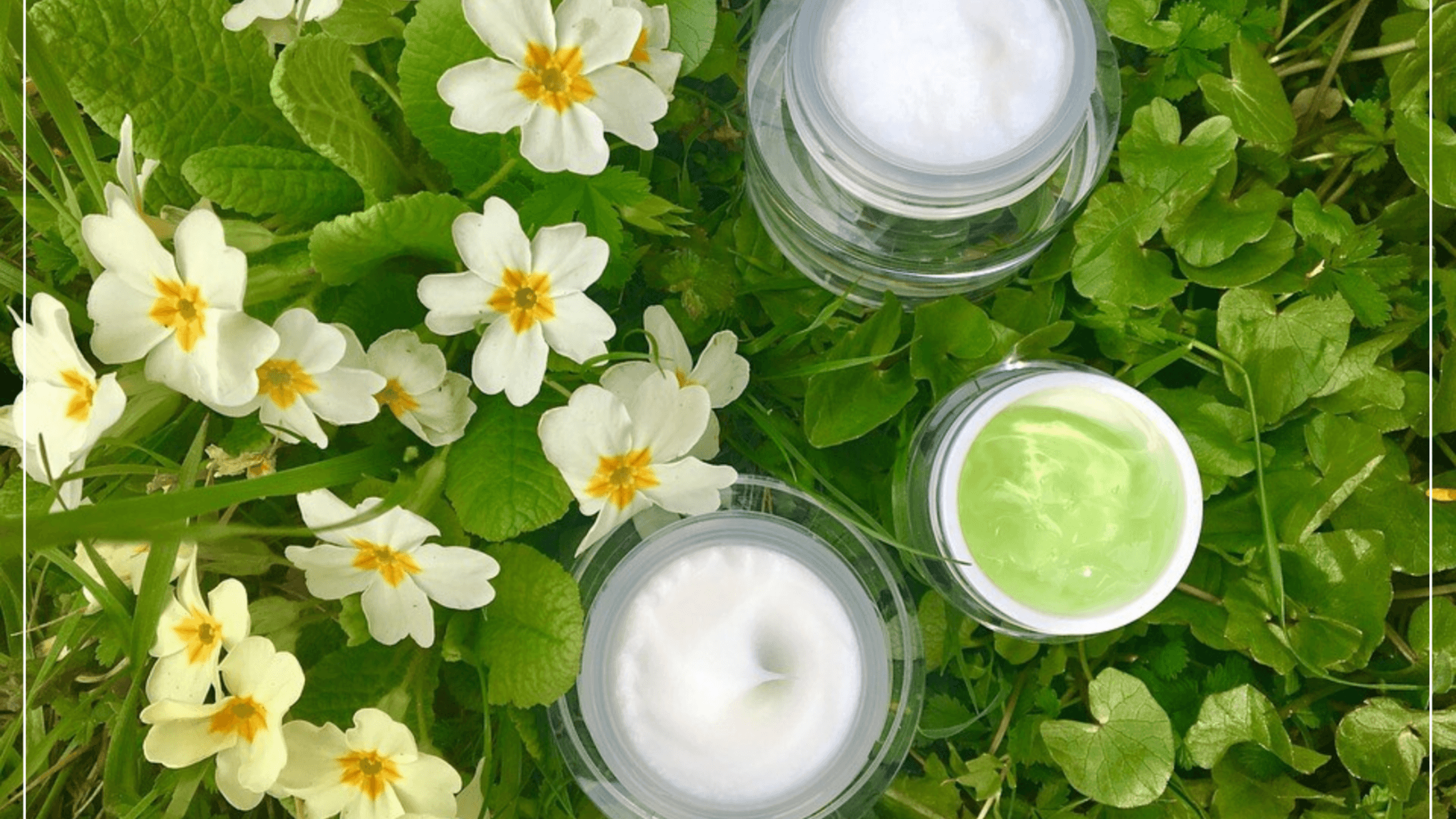
The Soil Association’s Organic Beauty and Wellbeing Market Report 2023 cites that sales in the sector came in at £147.6m in 2022, reinforcing the power of certified brands in the beauty space.
The organisation’s annual investigation charts organic beauty’s resilience despite the cost-of-living squeeze and supply chain challenges
Charting organic beauty’s return to the high street post-pandemic, the increase in consumer sustainability concerns, and innovations for the prevention of greenwashing the Soil Association’s new report reveals the influence of certifications today, and in the future.
Opening the report, Millie Kendall MBE says: ‘First Covid-19 and now the cost-of-living crisis, the last few years have been testing communities and economies.
‘Despite this, the beauty industry has provided opportunities for respite, increased wellbeing and – importantly – resilience against ever-increasing market pressures thanks to the age-old lipstick effect.
‘Now, as we enter an age of increased demand for transparency, it is time for more conscious supply chain practice to become the norm across our industry.’
There are more British certified organic ingredients and products than ever
Impressively 56,000 products and ingredients received the COSMOS accolade in 2022, an increase of 22% year on year.
This figure is indicative of the importance of eco-conscious credentials for both brands and consumers. In fact, nine out of ten shoppers believe sustainable and ethical considerations are important when making a beauty or wellbeing purchase.
That said, increasing education about what makes beauty products certified organic, or better for the planet, is needed. The Sustainable Beauty Coalition’s Courage to Change report states that 1 in 5 people don’t know how to check a product’s sustainability credentials and 1 in 3 people don’t understand the ingredients in the beauty products they use.
Consumers and brands are realising the importance of certification
The stats speak for themselves. 79% of consumers state that they have doubts about the trustworthiness of a brand’s claims concerning sustainability or social impact. As a result, 41% of consumers are encouraged to purchase a beauty or wellbeing product if it had recognisable third-party certification proving its sustainability credentials.
Certifications aren’t just about raising awareness, they drive more sales and success for brands too. The Organic Beauty and Wellbeing Market Report 2023 found that 69% of certified brands said that the COSMOS certification helped to boost their sales, with 55% agreeing with the statement and an additional 14% saying they strongly agree.
Looking to the future
The cost-of-living crisis is set to characterise consumer spending over the next 12 months. There is increasing evidence that people who would have invested in certified products are no longer willing to due to higher price points.
Worryingly, more than have of those surveyed (67%) say that the high cost of sustainable products significantly puts them off from buying them.
To combat this reticence, the Soil Association is encouraging certified brands to boost awareness of the longevity of their products, their multi-use nature, and how they can be used safely by the whole family.